
Sharing your life with a dog or a cat brings immeasurable joy, unconditional loyalty, and comforting companionship. Whether your pet greets you enthusiastically at the door after a long day or curls up quietly beside you on the couch, they become an irreplaceable part of your family. As devoted pet parents, we naturally want to provide the highest standard of care to ensure our companions enjoy long, vibrant lives. While providing nutritious food, daily playtime, and routine physical exams are vital steps, internal health remains just as important as what meets the eye.
Many pet owners feel surprised when a veterinarian recommends routine laboratory testing during an annual checkup, especially if their dog or cat appears completely healthy, energetic, and bright. However, pets possess a strong natural instinct to mask discomfort, pain, and internal illness. Understanding the vital role of veterinary blood work for dogs and cats helps clarify why proactive pet diagnostics care is so crucial for early detection. Here at 30th Street Animal Hospital in Indianapolis, our veterinary team frequently guides local families through the benefits of comprehensive dog and cat diagnostic testing East Indy. Let us explore why routine lab work is an indispensable pillar of modern veterinary medicine.
The Hidden Nature of Canine and Feline Illness
In the wild, showing vulnerability or weakness makes an animal an immediate target for predators. Our domestic dogs and cats retain this deeply ingrained evolutionary survival instinct. Even when internal organ function is beginning to decline or a metabolic imbalance is developing, a pet will often continue to eat, play, and interact normally.
By the time outward physical symptoms appear, such as noticeable weight loss, excessive thirst, dull fur, or lethargy, a condition has often been progressing for months. Proactive pet wellness blood panel Indianapolis evaluations act as a crucial window into your pet’s internal physiology. Routine lab work uncovers hidden shifts in organ function, blood sugar levels, and white blood cell counts long before physical signs manifest, allowing for timely intervention.
Decoding the Tests: CBC and Chemistry Panels
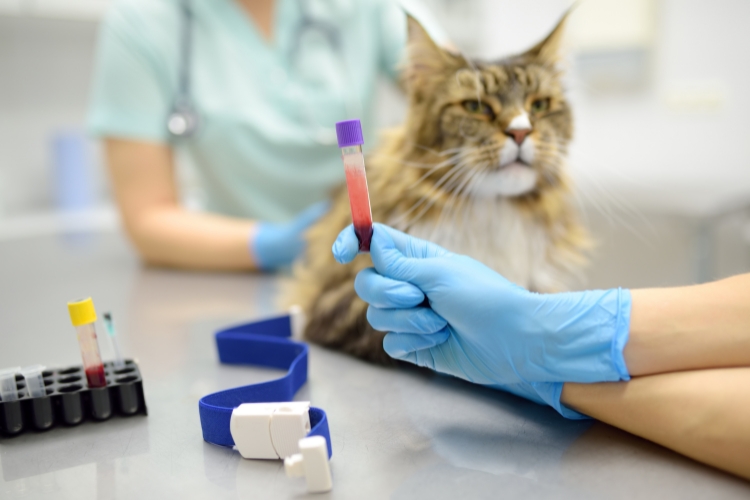
When veterinarians run routine laboratory work, they typically utilize two primary evaluations: a complete blood count and a serum chemistry panel. Each test provides a unique and detailed perspective on your pet’s internal well-being.
- Complete Blood Count (CBC): This evaluation measures the concentration of red blood cells, white blood cells, and platelets. A CBC helps detect signs of underlying infection, systemic inflammation, and anemia, offering crucial insights into immune system function.
- Serum Chemistry Panel: This test assesses the chemical composition of the blood, providing detailed measurements of enzymes, proteins, and electrolytes. It evaluates the functional status of vital internal organs, including the kidneys, liver, pancreas, and thyroid gland.
Together, these diagnostic assessments establish a comprehensive baseline of your pet’s normal biological state. Having an established baseline makes it significantly easier for your veterinarian to notice tiny, meaningful deviations during subsequent annual visits.
Catching Chronic Conditions Before They Progress
One of the greatest benefits of routine laboratory testing is its ability to catch age-related and chronic conditions in their earliest, most manageable stages. Conditions such as early-stage kidney disease, diabetes, hyperthyroidism, and liver dysfunction frequently develop silently.
For instance, a cat’s kidneys can lose a significant portion of their functional capacity before blood creatinine and BUN levels show any outward change. Routine lab work catches these microscopic shifts early, allowing veterinarians to implement simple dietary adjustments, hydration strategies, or targeted medications that protect remaining organ function. Similarly, identifying early signs of elevated blood sugar or abnormal liver enzymes gives pet parents the opportunity to manage conditions proactively, preventing sudden health crises and ensuring a higher quality of life.
Establishing Health Baselines for Senior Pets
As dogs and cats age, their internal physiological systems experience accelerated changes. While healthy adult pets generally benefit from annual wellness screening, senior pets aged seven and older often require routine laboratory evaluations every six months.
Establishing a personal health baseline during youth and early adulthood makes senior diagnostic reviews vastly more effective. When your veterinarian can compare a senior cat or dog’s current lab results against their historical numbers, even a subtle upward trend in a kidney or liver value becomes immediately apparent. This personalized continuity of care ensures that senior pets receive precisely tailored support designed to match their changing nutritional and medical needs.
Partnering with Your Local Indianapolis Animal Care Team
Navigating your pet’s healthcare journey is much easier when you have a dedicated veterinary team supporting your family. Every dog and cat has a unique biological makeup, lifestyle, and genetic background, meaning their diagnostic and wellness plan should be customized specifically for them.
Our team at 30th Street Animal Hospital is proud to serve families throughout the Indianapolis community. Whether you want to establish a proactive wellness routine, explore comprehensive why do pets need routine lab work insights, or schedule routine pet diagnostics care, our experienced professionals are here to support you. Reach out to our Indianapolis clinic today to schedule a consultation and take a proactive step toward safeguarding your pet’s lifelong vitality.
FAQ
Q1. Why do veterinarians recommend routine blood work when my dog or cat seems completely healthy?
Ans: Pets instinctively mask internal discomfort and illness, meaning routine lab work is essential for detecting hidden organ changes, infections, or metabolic imbalances long before outward symptoms appear.
Q2. What is the difference between a complete blood count and a chemistry panel?
Ans: A complete blood count measures red and white blood cells to detect anemia and infections, while a chemistry panel evaluates internal organ function, electrolytes, and blood sugar levels.
Q3. How often should senior dogs and cats undergo routine diagnostic blood testing?
Ans: Senior pets aged seven and older generally benefit from routine laboratory evaluations every six months to monitor age-related organ changes and catch developing issues early.
Q4. Can routine lab work help detect early-stage kidney disease in cats and dogs?
Ans: Yes, routine blood and urine testing can reveal subtle decreases in kidney filtering capacity long before physical signs like excessive thirst or weight loss become noticeable.
Q5. How does establishing a health baseline help veterinarians during future checkups?
Ans: Having historical lab data allows veterinarians to compare current test results against your pet’s personal normal values, making subtle upward or downward trends much easier to identify.