

When a pet is not feeling well, finding the cause is not always as simple as performing one test. Many health problems can produce similar signs, while some conditions affect more than one part of the body. A pet may have changes in appetite, energy, weight, digestion, breathing, or behavior without showing one clear clue that points directly to a diagnosis.
This is why veterinarians may recommend several diagnostic tests instead of relying on a single result. Each test can provide a different piece of information and help create a more complete picture of a pet’s health. Through thoughtful pet diagnostic care, veterinarians can compare findings, investigate possible causes, and determine what should happen next.
Symptoms Can Have Multiple Causes
One of the main reasons several tests may be needed is that the same symptom can be linked to many different health concerns. For example, reduced appetite may occur with digestive problems, pain, metabolic changes, organ conditions, stress, or other underlying issues.
A pet that is drinking more water may also have several possible explanations. Changes in thirst and urination can be associated with dietary factors, medication effects, kidney concerns, hormonal conditions, or other health changes.
Because symptoms often overlap, a veterinarian may begin by considering several possibilities rather than assuming one specific cause. Diagnostic testing helps narrow those possibilities.
The Physical Examination Comes First
Before deciding which tests are appropriate, a veterinarian usually starts with a detailed physical examination. This provides important information about what may be happening inside the body.
The veterinarian may evaluate the pet’s heart and breathing, examine the abdomen, assess the skin and coat, check the mouth, evaluate movement, and look for changes in body condition. These observations can help determine which diagnostic questions need further investigation.
For example, an unusual abdominal finding may lead to testing focused on digestive organs, while changes in breathing may encourage a closer look at the heart or respiratory system.
The examination does not always provide the final answer, but it helps make testing more purposeful.
One Test May Answer Only One Question
Diagnostic tests are designed to provide specific types of information. A blood test, for example, can provide insight into certain aspects of organ function, blood cell levels, or other internal changes. Imaging can offer a different view by showing physical structures and possible abnormalities.
This means a normal result from one test does not necessarily rule out every possible health problem.
If one test does not explain a pet’s symptoms, another test may be recommended because it can answer a different question. This approach helps veterinarians avoid relying too heavily on one piece of information.
Blood Testing Can Reveal Internal Changes
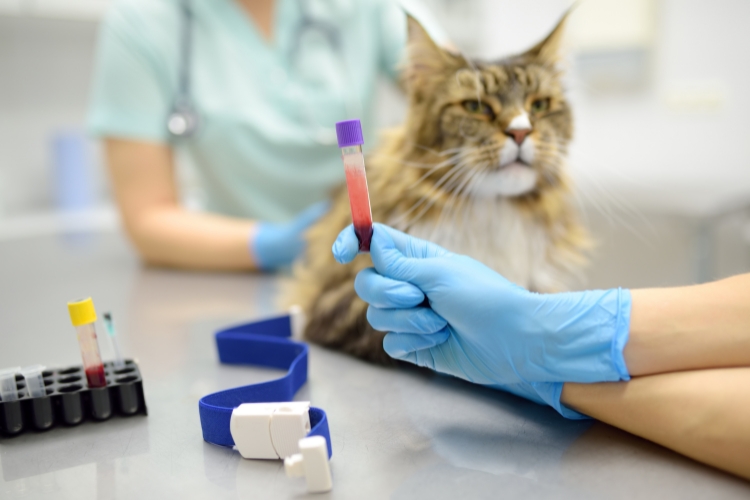
Blood testing is often useful when a veterinarian needs information that cannot be obtained through a physical examination alone. It may help identify changes involving organs, blood cells, hydration, or metabolic processes.
The results can also influence which tests should come next. If bloodwork suggests that a particular body system needs closer evaluation, the veterinarian may recommend additional testing that focuses on that area.
In other situations, blood results may appear relatively normal while symptoms continue. That does not mean the pet’s concerns should be ignored. It may simply indicate that another diagnostic approach is needed.
Imaging Can Provide a Different Perspective
Some conditions are better evaluated by looking at the physical structures inside the body. Imaging can provide information that blood testing cannot.
Depending on the symptoms and physical examination findings, a veterinarian may consider diagnostic imaging to examine areas such as the abdomen, chest, bones, or other structures.
Imaging can sometimes reveal an abnormality that explains a symptom, while in other cases it may help rule out certain possibilities. When combined with laboratory results and clinical observations, imaging can make the overall diagnostic picture clearer.
Advance Testing May Be Needed
When routine diagnostic information does not fully explain a pet’s condition, advance testing may become an appropriate next step. This does not necessarily mean that a serious problem has been confirmed. Instead, it can mean that the veterinarian needs more specific information.
Advance testing may be considered when symptoms persist, when initial results are inconclusive, or when the veterinarian needs to investigate a particular body system more closely.
The decision should be based on the individual pet’s symptoms, medical history, physical findings, and previous test results. Testing should have a clear purpose rather than being performed simply for the sake of collecting more information.
Repeating a Test Can Also Be Useful
Sometimes a veterinarian may recommend repeating a diagnostic test. At first, this might seem unnecessary, especially if the pet has already undergone testing.
However, health information can change over time. A repeat test can help determine whether a finding was temporary, whether a value is becoming more noticeable, or whether a health issue is progressing.
Comparing current results with previous results can be particularly valuable. Instead of looking at one isolated number, veterinarians can examine trends and determine whether the pet’s condition is changing.
Several Results Can Work Together
The real value of multiple diagnostic tests often comes from comparing the results rather than examining each result separately.
A physical examination may identify a concern. Blood testing may provide evidence of an internal change. Imaging may reveal a structural finding. Additional testing may then help clarify what those findings mean.
Together, these pieces can provide information that one test alone could not provide.
This is an important part of thoughtful pet diagnostic care. The goal is not simply to perform more tests. The goal is to select useful tests that help answer specific questions and connect the available evidence.
Your Pet’s Medical History Matters
Diagnostic decisions are also influenced by a pet’s previous health history. Earlier test results, previous illnesses, medications, changes in weight, eating habits, and recurring symptoms can all provide useful context.
For example, a new result may have a different meaning when compared with a pet’s previous results. A veterinarian may also decide to investigate a concern differently if the pet has experienced a similar problem in the past.
Keeping records of previous veterinary visits and diagnostic results can therefore be helpful. Sharing changes you have noticed at home can also provide valuable information that may not be visible during an appointment.
When Several Tests Are Part of One Plan
Multiple diagnostic tests do not necessarily mean that something has gone wrong with the diagnostic process. In many situations, they are simply part of a careful step by step approach.
The veterinarian may begin with the most appropriate initial tests, review the findings, and then decide whether additional information is needed. This allows the diagnostic plan to develop according to what the results show.
For pet owners, understanding this process can make diagnostic care feel less confusing. Every test should have a reason behind it, whether the purpose is to identify a possible cause, rule out another condition, monitor a change, or provide information needed for treatment planning.
Supporting Pet Diagnostic Care in Indianapolis
Pet health concerns can be difficult to understand when symptoms do not point to one obvious cause. At 30th Street Animal Hospital in Indianapolis, discussing your pet’s symptoms, history, and changes at home can help provide important context for the diagnostic process.
If your dog or cat has ongoing or unexplained changes in health, a thorough evaluation can help determine which diagnostic steps may be appropriate. A veterinarian can review the available information and decide whether routine testing, imaging, repeat testing, or advance testing may provide useful answers.
Good diagnostic care is about connecting the details rather than focusing on one symptom or one test result. A thoughtful approach can help veterinarians better understand what is happening and determine the next appropriate step for your pet.
Schedule an Appointment for Your Pet
If your pet has unexplained symptoms or changes in normal behavior, do not rely on guesswork. Contact 30th Street Animal Hospital to discuss your concerns and schedule an appointment. A veterinary evaluation can help determine whether diagnostic testing is appropriate and which next steps may provide useful information about your pet’s health.
Frequently Asked Questions
Q1. Why might my pet need several diagnostic tests?
Ans: Several tests may be needed because different tests provide different types of information. Combining the results can help a veterinarian investigate multiple possible causes and develop a clearer understanding of the problem.
Q2. Does one normal diagnostic test mean my pet is healthy?
Ans: Not necessarily. A normal result may rule out certain concerns while leaving other possibilities open. If symptoms continue, a veterinarian may recommend additional testing based on the physical examination and medical history.
Q3. What is advance testing for pets?
Ans: Advance testing refers to more specialized diagnostic approaches that may be considered when routine tests do not provide enough information. The veterinarian determines whether this type of testing is appropriate based on the individual pet.
Q4. Why would a veterinarian repeat a diagnostic test?
Ans: Repeating a test can help monitor changes over time, confirm an earlier finding, or determine whether an abnormal result is persistent. Comparing results can sometimes reveal a health trend that a single test cannot show.
Q5. How can I help with my pet’s diagnostic evaluation?
Ans: Share detailed information about changes in appetite, thirst, activity, weight, behavior, digestion, bathroom habits, and other symptoms. Previous medical records and test results can also help the veterinarian understand your pet’s health history.