
A little extra weight may not seem like a major concern when your dog still enjoys walks or your indoor cat continues to play occasionally. However, gradual weight gain can affect much more than your pet’s appearance. Excess body fat places additional pressure on joints, influences metabolism, and may increase the risk of certain long-term health problems. Maintaining a healthy body condition is an important part of helping pets stay active and comfortable as they age.
For pet owners in Indianapolis, weight management is an essential part of responsible pet care. At 30th Street Animal Hospital, we encourage families to look beyond the number on the scale and consider how their pet’s weight affects everyday movement, energy, and overall health. With regular monitoring, appropriate nutrition, and manageable activity changes, you can help your companion maintain a healthier body condition throughout life.
Why Excess Body Fat Affects More Than Appearance
Body fat is not simply stored energy. It is biologically active tissue that can release substances involved in inflammatory processes. When a pet carries excess fat, this activity may contribute to chronic low-grade inflammation throughout the body.
Over time, persistent inflammation can influence metabolic health and may worsen existing conditions. Extra weight can also make everyday movement more difficult, particularly for pets with developing joint problems.
The effects may be gradual. Your dog might take longer to get up after resting, while your cat may stop jumping onto a favorite windowsill. These changes are sometimes dismissed as normal aging, but excess weight can be an important contributing factor.
Healthy weight management helps reduce unnecessary strain and supports better mobility. It is not about achieving a particular appearance. It is about helping your pet move comfortably, maintain energy, and enjoy daily activities.
The Connection Between Weight and Joint Longevity
A pet’s joints support its body during walking, running, jumping, climbing, and standing. When excess weight is present, these structures must handle additional mechanical stress with every movement.
For dogs, carrying extra pounds can increase the load placed on the hips, knees, elbows, and other weight-bearing joints. This may contribute to discomfort and can make existing joint conditions harder to manage. Reduced activity may then lead to further weight gain, creating a cycle that affects mobility.
Cats experience similar challenges. Extra body weight can make jumping, grooming, climbing, and using the litter box less comfortable. Some overweight cats become less active, which can further reduce muscle strength and make everyday movement more demanding.
Maintaining a lean body condition helps limit unnecessary joint loading. It cannot guarantee that a pet will avoid arthritis or other orthopedic conditions, but it can be an important part of supporting long-term comfort and mobility.
Weight Gain and Metabolic Health in Cats
Indoor cats may be particularly vulnerable to gradual weight gain. Their activity levels can be limited by their environment, while unrestricted food access and frequent treats can add calories without owners realizing it.
Excess body weight is an important risk factor for feline diabetes mellitus. In overweight cats, the body may become less responsive to insulin, the hormone that helps regulate blood glucose. This insulin resistance can make it harder to maintain normal blood sugar levels.
Other possible consequences of excess weight include reduced activity, difficulty grooming, and increased strain on the body. A cat that struggles to reach its back or hindquarters may develop grooming problems, while reduced movement can affect muscle condition.
Watch for changes such as increased thirst, frequent urination, unusual hunger, or unexplained changes in body weight. These signs do not confirm diabetes, but they deserve veterinary attention.
How to Recognize a Healthy Body Condition
A scale provides useful information, but weight alone does not tell the whole story. Two pets of the same breed and age can have different healthy weight ranges depending on their frame, muscle mass, and overall build.
Veterinarians often use a Body Condition Score, or BCS, to assess whether a pet is underweight, at an appropriate weight, overweight, or obese. A commonly used nine-point scale generally considers a score of 4 to 5 out of 9 an ideal range for many dogs and cats.
You can look for a few physical indicators at home:
- Visible waist: When viewed from above, your pet should have a noticeable narrowing behind the ribs.
- Abdominal tuck: From the side, the abdomen should rise slightly toward the hind legs rather than hanging in a straight line.
- Easily felt ribs: You should be able to feel the ribs beneath a light layer of fat without pressing firmly.
- Balanced body shape: Your pet should not have excessive fat deposits around the abdomen, chest, or base of the tail.
These observations are useful, but they do not replace a professional assessment. Your veterinarian can evaluate body condition alongside muscle mass, breed characteristics, age, and health history.
Practical Portion Control That Makes a Difference
One of the simplest ways to support weight management is to measure meals consistently. Estimating portions by eye can lead to accidental overfeeding, especially when several family members feed the same pet.
Start by checking the feeding recommendations on your pet’s food packaging. These guidelines are a starting point, not a personalized prescription. Your veterinarian can help determine an appropriate daily calorie target based on your pet’s current weight, ideal body condition, age, and activity level.
Use a measuring cup or, for greater consistency, a kitchen scale to portion meals. Divide the daily food allowance into scheduled meals instead of leaving a full bowl available throughout the day, unless your veterinarian recommends a different feeding approach.
For multi-pet households, feed animals separately when possible. This helps prevent food sharing and makes it easier to monitor how much each pet consumes.
If weight reduction is needed, avoid making sudden, drastic changes. Cats in particular should not be placed on crash diets because rapid food restriction can cause serious health complications. A gradual, veterinarian-guided plan is safer.
Make Treats Healthier Without Removing the Fun
Treats are useful for training, bonding, and rewarding good behavior, but frequent extras can add more calories than expected. A few small snacks throughout the day may seem insignificant until they become part of a regular routine.
A helpful strategy is to reserve a portion of your pet’s measured daily food allowance for rewards. You can also discuss suitable lower-calorie options with your veterinary team.
Depending on your pet’s health and dietary needs, small pieces of plain vegetables may be appropriate for some dogs. Cats may enjoy tiny portions of their regular food as rewards. Always check whether a food is safe before offering it, and avoid toxic ingredients such as onions, garlic, grapes, raisins, and chocolate.
Keep treats modest and remember that even healthy snacks contribute calories. A useful general guideline is to keep treats and other extras to no more than 10 percent of daily calories, unless your veterinarian provides a different recommendation.
Build Activity Into Your Pet’s Daily Habits
Exercise supports weight control, muscle strength, coordination, and mental stimulation. The right activity plan depends on your pet’s age, physical condition, and current mobility.
For dogs, try several manageable walks throughout the day rather than relying on one demanding session. Gradually increase activity as fitness improves, and choose comfortable routes that suit your dog’s abilities.
Indoor cats benefit from short, engaging play sessions. Wand toys, climbing structures, food puzzles, and interactive games can encourage movement while providing mental enrichment. Rotate toys to keep activities interesting.
Pay attention to signs of discomfort, including limping, reluctance to jump, excessive panting, or unusual fatigue. If these changes appear, consult your veterinarian before increasing exercise.
Consistency matters more than intensity. Small, enjoyable activities repeated regularly can help establish healthier pet’s daily habits.
Make Weight Monitoring Part of Preventive Veterinary Care
A weight plan should be monitored rather than left to guesswork. Regular veterinary visits allow your pet’s body condition, muscle mass, and overall health to be assessed together.
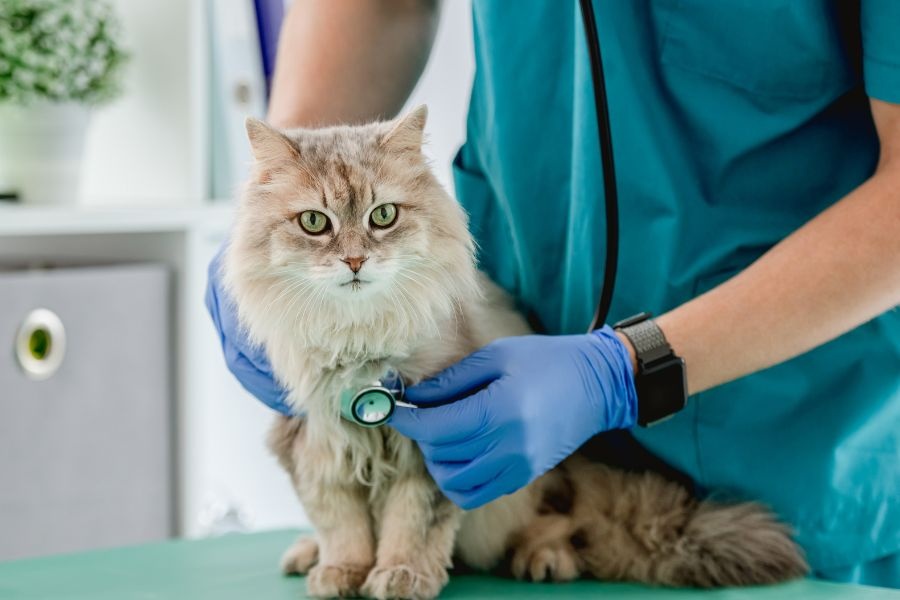
During a pet wellness exam, your veterinarian can review feeding routines, activity levels, weight trends, and possible medical factors contributing to weight changes. If necessary, the team can recommend dietary adjustments, further testing, or a structured weight reduction plan.
This is where pet preventive care becomes especially valuable. Tracking body condition over time can help identify gradual changes before they begin affecting mobility or metabolic health.
Keep a simple record of your pet’s weight, food portions, treats, and activity. Share this information during routine appointments so the veterinary team can make recommendations based on actual patterns rather than memory alone.
Schedule a Pet Wellness Exam
A healthy weight can support easier movement, better metabolic health, and a more active lifestyle for your companion. Whether your indoor cat is gaining weight or your adult dog is showing reduced stamina, a personalized plan can help address the underlying factors.
Schedule a pet wellness exam at 30th Street Animal Hospital in Indianapolis to discuss your pet’s current body condition, nutrition, and activity needs. Our veterinary team can help you understand appropriate weight goals and develop practical steps that fit your pet’s health and daily routine.
Book your pet’s veterinary appointment today and take a proactive step toward supporting healthier movement and long-term well-being.
Frequently Asked Questions
Q1. How can I tell if my indoor cat is overweight?
Ans: Look for a less visible waist, difficulty feeling the ribs, and excess fat around the abdomen. A veterinarian can use a Body Condition Score to determine whether your cat is at a healthy weight.
Q2. Can losing weight help my dog with joint discomfort?
Ans: Maintaining a lean body condition can reduce the mechanical load placed on joints and may improve comfort and mobility. Your veterinarian can recommend an appropriate weight and activity plan based on your dog’s condition.
Q3. How often should I measure my pet’s food?
Ans: Measure every meal rather than estimating portions. Consistent measurements make it easier to manage calorie intake and identify whether feeding adjustments are needed.
Q4. Are low-calorie treats always safe for dogs and cats?
Ans: Not necessarily. Some foods that are suitable for dogs may not be appropriate for cats, and certain ingredients are toxic to pets. Ask your veterinarian which treat options are safe for your companion.
Q5. How does a pet wellness exam help with weight management?
Ans: A pet wellness exam allows the veterinary team to assess weight, body condition, muscle mass, and overall health. Regular monitoring helps track progress and adjust nutrition or activity recommendations when needed.