Limited-Time September Special: Save $150 on Pet Dental Cleaning + $50 Off Pre-Op Diagnostics


The Importance of Diagnostic Care for Your Pet’s Health
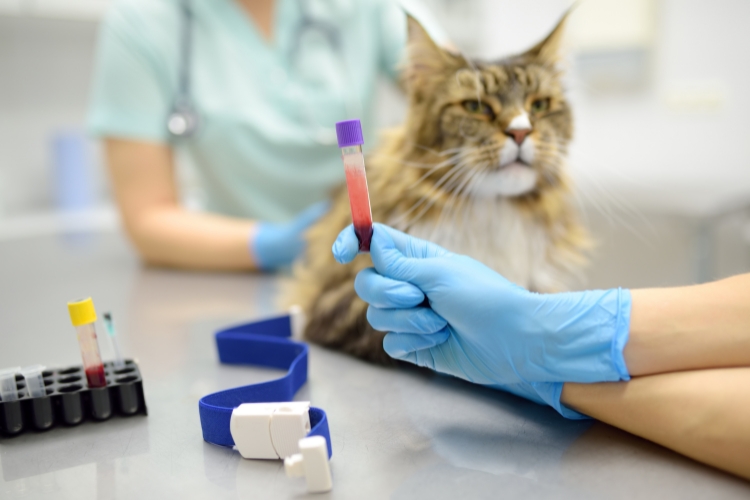
Pets bring joy, companionship, and unconditional love into our lives. In return, they depend on us to provide the best possible care for their health and well-being. While regular checkups and vaccinations are important, diagnostic care is what truly helps uncover hidden health issues before they become serious problems. Therefore, understanding how diagnostics support your pet’s health is essential for every responsible pet owner. This blog is especially for pet owners in Indianapolis, IN, who want to take a proactive approach to their pet’s health.
What Is Diagnostic Care for Pets?
Diagnostic care refers to a variety of medical tests and procedures that help veterinarians evaluate your pet’s internal health. Unlike a physical exam, which focuses on visible signs, diagnostic testing provides a deeper look into what is happening inside your pet’s body.
For example, veterinarians use blood tests, imaging, and laboratory analysis to detect diseases, infections, and imbalances. As a result, they can make accurate diagnoses and recommend effective treatments. Without these tools, many conditions could go unnoticed until they become severe.
Why Early Detection Matters
Early detection plays a critical role in maintaining your pet’s health. When health issues are identified in their early stages, treatment is often more effective and less costly. In addition, early intervention reduces the risk of complications and improves recovery outcomes.
Many illnesses, such as kidney disease or diabetes, develop gradually. However, pets may not show clear symptoms right away. Diagnostic tests help identify these silent conditions before they progress. Consequently, your veterinarian can take timely action and prevent further damage.
Furthermore, early detection provides peace of mind. Knowing your pet’s health status allows you to make informed decisions and avoid unexpected emergencies.
Common Types of Diagnostic Tests
Veterinary diagnostic care includes several types of tests, each designed to assess specific aspects of your pet’s health.
1. Blood Tests
Blood tests evaluate organ function, detect infections, and identify abnormalities. They are also useful for monitoring chronic conditions and assessing overall health.
2. Urinalysis
Urinalysis helps detect kidney issues, urinary tract infections, and metabolic disorders. It also provides insight into hydration levels.
3. Imaging (X-rays and Ultrasound)
Imaging allows veterinarians to examine internal structures. X-rays are commonly used for bones and lungs, while ultrasounds provide detailed views of soft tissues and organs.
4. Fecal Testing
Fecal exams identify parasites and digestive problems. Regular testing is especially important for pets that spend time outdoors.
5. Skin and Allergy Testing
These tests help diagnose allergies and skin conditions, allowing for targeted treatment.
Each of these diagnostic tools contributes to a complete understanding of your pet’s health, ensuring that no issue is overlooked.
Signs Your Pet May Need Diagnostic Care
Pets often hide signs of illness, which makes it important to watch for subtle changes in behavior. Recognizing these signs early can help you seek diagnostic care promptly.
Common warning signs include:
- Loss of appetite
- Sudden weight changes
- Lethargy or reduced activity
- Vomiting or diarrhea
- Increased thirst or urination
- Difficulty breathing
If you notice any of these symptoms, it is important to consult your veterinarian. Diagnostic testing can help determine the underlying cause and guide treatment.
The Role of Preventive Diagnostics
Preventive care goes beyond routine checkups. It includes regular diagnostic screenings that help establish a baseline for your pet’s health. Over time, veterinarians can compare results and detect even minor changes.
For example, annual blood work can reveal early signs of disease. Similarly, routine screenings for senior pets can identify age-related conditions before they become serious.
Preventive diagnostics also support long-term health. By identifying risks early, you can make informed decisions about your pet’s diet, lifestyle, and medical care.
How Diagnostic Care Improves Treatment Outcomes
Accurate diagnosis is essential for effective treatment. Without proper testing, it can be difficult to identify the exact cause of a problem. However, diagnostic tools provide precise information that helps veterinarians create targeted treatment plans.
For instance, identifying a bacterial infection allows for the correct antibiotic treatment. Similarly, imaging can reveal structural issues that require surgical intervention.
As a result, pets receive faster and more effective care. In addition, targeted treatments reduce the risk of unnecessary medications or procedures.
Supporting Your Pet During Diagnostic Tests
Many pet owners worry about how their pets will handle diagnostic procedures. Fortunately, most tests are safe and minimally invasive. Veterinarians take steps to ensure your pet’s comfort throughout the process.
You can support your pet by:
- Staying calm during visits
- Following pre-test instructions
- Bringing familiar items for comfort
- Offering praise and rewards afterward
These simple steps can help reduce stress and make the experience more positive for your pet.
Choosing the Right Veterinary Care
Selecting a trusted veterinary provider is essential for high-quality diagnostic care. Experienced veterinarians use advanced tools and techniques to ensure accurate results. They also take the time to explain findings and discuss treatment options.
At 30th Street Animal Hospital, the focus is on providing compassionate and comprehensive care. With a commitment to early detection and personalized treatment, the team works to keep pets healthy at every stage of life.
The Value of Pet Diagnostic Care
Investing in pet diagnostic care is one of the most important steps you can take for your pet’s well-being. It allows you to detect health issues early, monitor ongoing conditions, and ensure effective treatment.
By prioritizing diagnostics, you can:
- Identify hidden diseases
- Improve treatment accuracy
- Prevent complications
- Enhance your pet’s quality of life
Ultimately, diagnostic care empowers pet owners to take a proactive approach to health management.
Diagnostic care is an essential part of keeping your pet healthy and thriving. It allows veterinarians to identify hidden health issues, confirm accurate diagnoses, and begin timely treatment. As a result, pets experience better outcomes, fewer complications, and an improved quality of life.
If you’re in Indianapolis and looking for pet diagnostic care near you, schedule an appointment with 30th Street Animal Hospital. Our veterinary team is dedicated to providing thorough evaluations, advanced testing, and compassionate support to help your pet live a longer, healthier life.
FAQs
1. What is diagnostic care for pets?
Diagnostic care includes medical tests and procedures that help veterinarians detect health issues that may not be visible during a routine physical exam.
2. When should I consider diagnostic testing for my pet?
You should consider diagnostic testing if your pet shows unusual symptoms such as changes in appetite, energy levels, or behavior, or as part of routine preventive care.
3. Are diagnostic tests necessary for healthy pets?
Yes, even healthy pets benefit from routine diagnostic screenings because they help detect hidden conditions early before symptoms appear.
4. How long do diagnostic test results take?
Some results, like basic blood work, may be available the same day, while more complex tests may take a few days, depending on the laboratory.
5. Are these tests safe for all pets?
Most diagnostic tests are safe and minimally invasive. Veterinarians take precautions to ensure your pet’s comfort and safety during the process.
6. How can diagnostic care improve my pet’s health?
Diagnostic care helps detect diseases early, supports accurate treatment, and allows for better management of ongoing conditions, leading to a healthier and longer life for your pet.