Limited-Time September Special: Save $150 on Pet Dental Cleaning + $50 Off Pre-Op Diagnostics


Why Routine Blood Tests Are Vital for Your Senior Dog’s Health
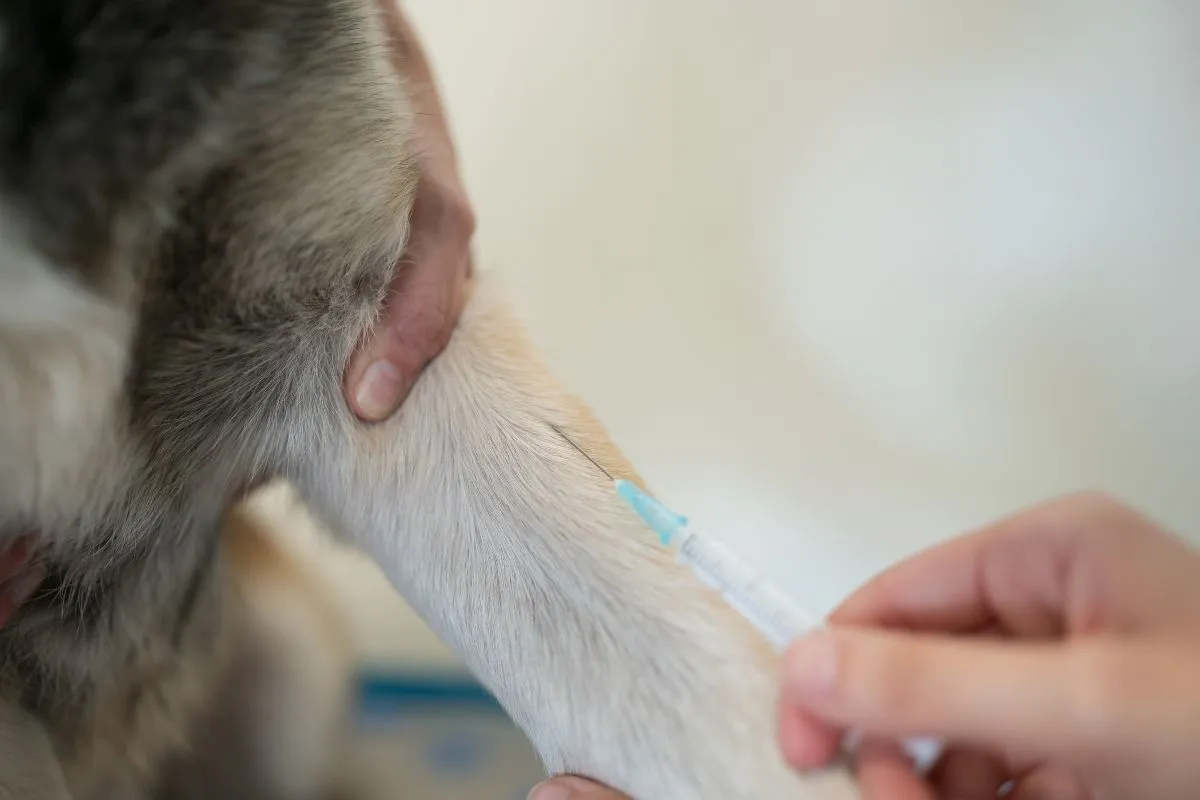
As dogs age, their bodies go through significant changes that can increase the risk of chronic health conditions. Regular monitoring becomes essential, and one of the most effective ways to do this is through routine blood tests. These simple screenings play a key role in senior pet care by helping detect health issues early and ensuring your dog enjoys a comfortable, healthy life.
Why Blood Tests Matter for Senior Dogs
Blood tests provide valuable insights into your dog’s internal health, including organ function, hormone levels, and overall wellness. Since many conditions in older dogs develop gradually without obvious symptoms, routine testing allows veterinarians to identify problems before they become serious.
By incorporating blood work into your dog’s senior pet care routine, you can take a proactive approach to their health rather than waiting for visible signs of illness.
What Blood Tests Can Reveal
Regular blood screenings help monitor several important health indicators in senior dogs, including:
Kidney Function
Older dogs are more prone to kidney disease, which often progresses silently. Blood tests measure markers like BUN and creatinine to detect early signs of kidney issues.
Liver Health
Changes in liver enzymes can signal liver disease or other underlying conditions. Early detection allows for timely treatment and better outcomes.
Thyroid Function
Hypothyroidism is common in aging dogs and can cause weight gain, lethargy, and skin problems. Blood tests help evaluate thyroid hormone levels.
Red and White Blood Cell Counts
Blood work can detect anemia, infections, or immune system concerns. Identifying these issues early can prevent more serious complications.
Blood Glucose Levels
Senior dogs are at higher risk for diabetes. Monitoring blood sugar levels helps with early diagnosis and effective management.
The Benefits of Early Detection
Many age-related conditions—such as kidney disease or diabetes—may not show noticeable symptoms until they are advanced. Routine blood tests make it possible to catch these issues early, when treatment is often more effective and less invasive.
Early detection not only improves your dog’s quality of life but can also help avoid costly and complex treatments later on.
Supporting Long-Term Health in Senior Dogs
Making blood tests a regular part of your dog’s wellness routine is one of the best ways to support their long-term health. Combined with proper nutrition, exercise, and regular checkups, these screenings help ensure your pet stays happy and comfortable in their golden years.
If your dog is entering their senior stage or you have concerns about their health, don’t wait—schedule your appointment with 30th Street Animal Hospital today. Our experienced team is dedicated to providing comprehensive senior pet care and helping your dog live a longer, healthier life.
FAQs
Q1. How often should senior dogs have blood tests?
Ans: Senior dogs should typically have blood tests at least once a year, or more frequently if recommended by your veterinarian.
Q2. What conditions can blood tests detect?
Ans: They can help identify kidney disease, liver issues, diabetes, thyroid disorders, anemia, and infections.
Q3. Are blood tests safe for older dogs?
Ans: Yes, blood tests are safe, quick, and minimally invasive, making them ideal for routine health monitoring.
Q4. Can blood tests diagnose serious diseases?
Ans: While they may not confirm every condition, they can reveal abnormalities that guide further testing and diagnosis.
Q5. Why is early detection important?
Ans: Catching health issues early allows for more effective treatment and helps prevent complications.