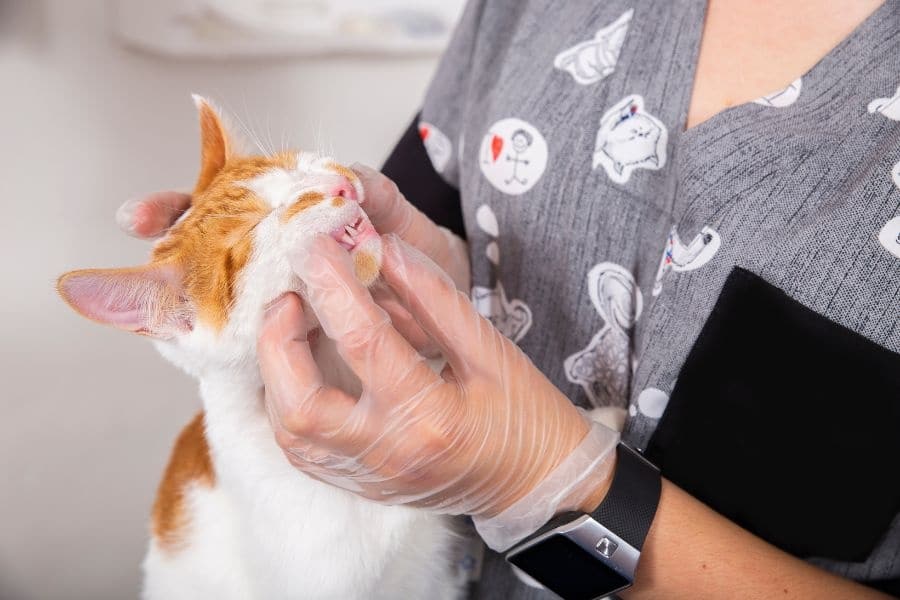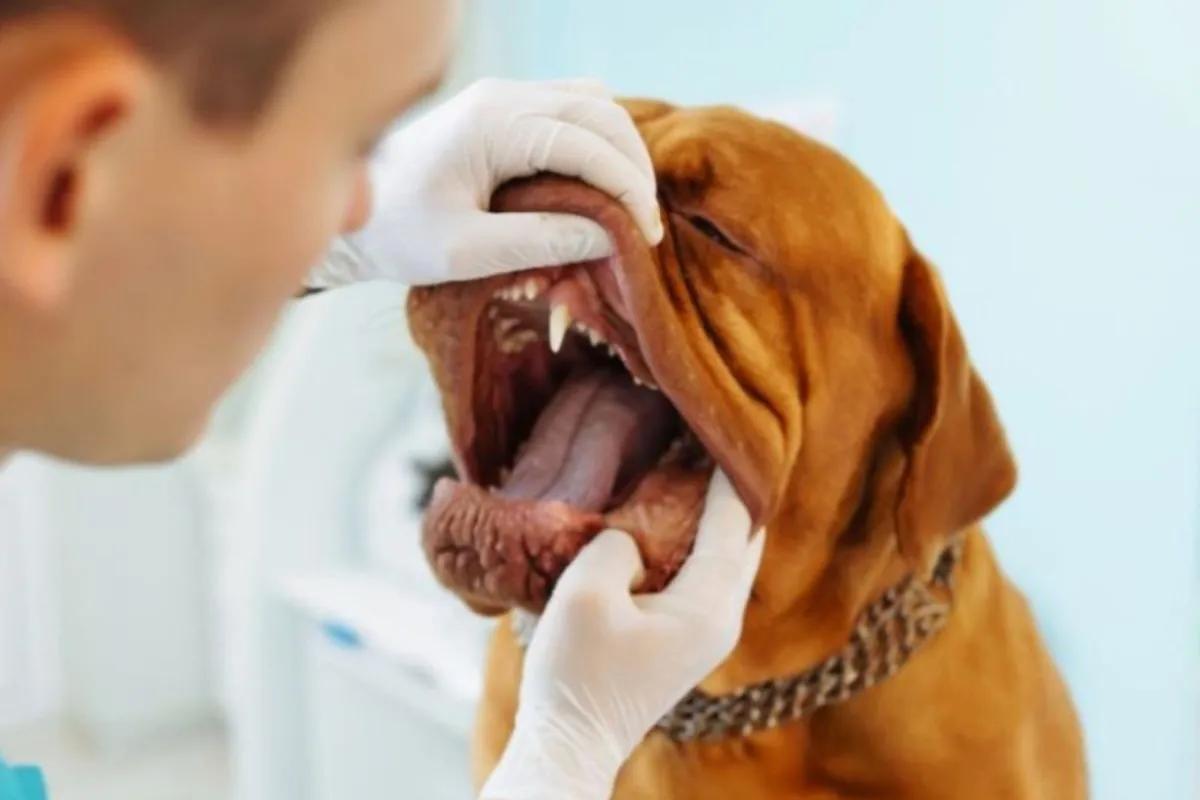

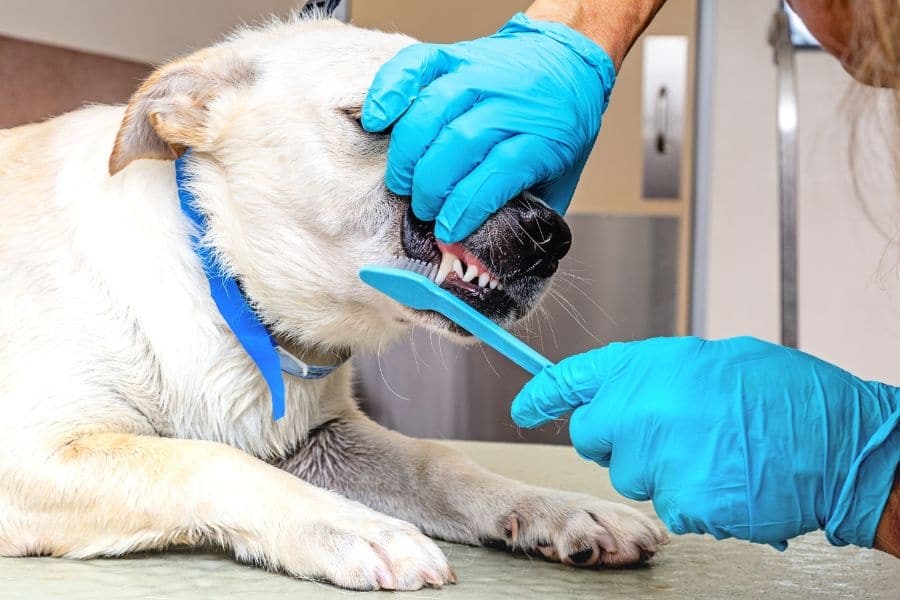
Brushing your pet’s teeth at home is one of the simplest ways to support their oral health. It helps reduce plaque buildup, freshens breath, and encourages healthy habits throughout your pet’s life. However, even the most consistent brushing routine cannot replace professional pet dental care.
Many pet owners assume that regular brushing is enough to prevent dental disease. While home care plays an important role, professional cleanings provide a much deeper evaluation and cleaning that simply isn’t possible at home. Understanding the difference helps you make informed decisions about your pet’s long-term oral health.
Home Brushing Removes Surface Plaque
Daily brushing targets plaque that forms on the visible surfaces of your pet’s teeth.
Removing plaque before it hardens into tartar helps support healthier teeth and gums. It also reduces bacteria that contribute to bad breath and oral irritation.
Brushing works well as a preventive habit, but it mainly reaches the areas you can easily see and access.
Tartar Cannot Be Removed With a Toothbrush
Once plaque hardens into tartar, brushing alone is no longer enough.
Tartar bonds tightly to the tooth surface and often extends below the gumline, where bacteria can continue affecting oral health. Removing these deposits requires specialized veterinary dental instruments designed for professional cleanings.
This is one of the biggest differences between home brushing and professional pet dentistry.
Professional Cleanings Include a Complete Oral Examination
A dental cleaning involves much more than polishing teeth.
During the procedure, veterinarians carefully examine the entire mouth, checking for concerns such as:
- Broken teeth
- Gum inflammation
- Loose teeth
- Abnormal growths
- Tooth wear
- Areas of discomfort
A thorough examination helps identify problems that may not be visible during routine brushing at home.
Cleaning Below the Gumline Matters
Many dental problems begin below the gumline, where bacteria can accumulate unnoticed.
Professional cleanings remove plaque and tartar from these difficult-to-reach areas, helping maintain healthier gums and supporting overall oral health.
Because these areas aren’t accessible during home brushing, regular professional cleanings remain an important part of preventive pet dental care.
Dental Health Affects More Than the Mouth
Healthy teeth contribute to your pet’s overall well-being.
Untreated dental disease may affect eating comfort and lead to ongoing oral discomfort. Routine dental evaluations allow veterinarians to monitor changes over time and recommend appropriate care before problems become more advanced.
Maintaining good oral health supports your pet’s comfort throughout every stage of life.
Home Care and Professional Care Work Together
Home brushing and professional cleanings should never be viewed as competing options.
Instead, they complement one another.
A healthy dental routine may include:
- Regular tooth brushing
- Veterinary dental examinations
- Professional cleanings when recommended
- Dental-friendly diets or approved dental products
- Monitoring for changes in eating or chewing habits
Together, these steps provide more complete protection than either approach alone.
Signs Your Pet May Need a Dental Evaluation
Pets often continue eating normally even when dental problems develop.
Watch for signs such as:
- Persistent bad breath
- Difficulty chewing
- Dropping food while eating
- Pawing at the mouth
- Visible tartar buildup
- Red or swollen gums
If you notice any of these changes, scheduling a dental evaluation is a good next step.
Protecting Your Pet’s Smile for Years to Come
Good oral health requires consistent attention throughout your pet’s life.
Brushing at home helps control daily plaque buildup, while professional pet dentistry allows veterinarians to perform thorough cleanings and evaluate areas that cannot be reached with a toothbrush.
For pet owners in Indianapolis, combining home care with routine dental evaluations helps support healthier teeth, healthier gums, and better overall wellness.
At 30th Street Animal Hospital, we’re committed to providing comprehensive pet dental care tailored to your pet’s individual needs. If it’s time for a dental evaluation or you have questions about your pet’s oral health, schedule an online appointment with our experienced veterinary team today.
Frequently Asked Questions
Q1. Is brushing my pet’s teeth enough to maintain good oral health?
Ans: Brushing is an excellent daily habit that removes surface plaque, but it cannot eliminate hardened tartar or clean below the gumline. Professional dental cleanings remain an important part of complete oral care.
Q2. How often should my pet have a professional dental evaluation?
Ans: The ideal schedule varies depending on your pet’s age, breed, and oral health. Your veterinarian will recommend a dental care plan based on your pet’s individual needs during routine wellness visits.
Q3. Why can’t tartar be removed at home?
Ans: Once plaque hardens into tartar, it becomes firmly attached to the teeth. Specialized veterinary dental instruments are needed to safely remove these deposits without damaging the teeth or gums.
Q4. What signs suggest my pet may have dental problems?
Ans: Bad breath, difficulty chewing, swollen gums, visible tartar, dropping food, or pawing at the mouth may all indicate oral health concerns that should be evaluated by your veterinarian.
Q5. Does dental health affect my pet’s overall well-being?
Ans: Yes. Healthy teeth and gums support comfortable eating and contribute to your pet’s overall quality of life. Regular dental care helps maintain long-term oral health and comfort.