When your dog needs surgery, it can feel overwhelming. However, proper preparation can make a significant difference in ensuring a smooth procedure and a faster recovery. As a responsible pet owner, understanding what to expect and how to prepare helps reduce stress for both you and your pet.
From pre-surgical instructions to post-operative care, every step matters. By following your veterinarian’s guidance and taking a proactive approach, you can help your dog feel more comfortable and secure throughout the process. This blog is especially for pet owners in Indianapolis, IN who want to ensure their dogs receive the best possible care before surgery.
Understanding the Importance of Preparation
Preparing your dog for surgery is not just about following instructions—it is about minimizing risks and improving outcomes. Proper preparation helps your veterinarian perform the procedure safely while also supporting your dog’s recovery.
For example, ensuring your dog fasts before surgery reduces the risk of complications during anesthesia. Similarly, keeping your dog calm and comfortable helps lower stress levels, which can positively impact healing.
Therefore, taking the time to prepare properly is essential for your dog’s overall well-being.
Pre-Surgical Veterinary Instructions
Before the procedure, your veterinarian will provide specific instructions tailored to your dog’s needs. It is important to follow these directions carefully.
Fasting Guidelines
In most cases, dogs need to fast for several hours before surgery. This means no food after a certain time the night before. However, water may still be allowed in limited amounts.
Fasting is necessary because it prevents vomiting during anesthesia, which can be dangerous. Always confirm the exact timing with your veterinarian.
Medication Adjustments
If your dog is on medication, your veterinarian may advise temporary changes. Some medications should be continued, while others may need to be paused.
Therefore, never make changes without professional guidance.
Health Evaluation
Your dog may undergo a pre-surgical exam or blood tests. These tests help ensure your dog is healthy enough for the procedure. As a result, your veterinarian can identify potential risks and adjust the plan if needed.
Preparing Your Home for Recovery
While surgery is important, recovery is equally critical. Preparing your home in advance ensures your dog has a safe and comfortable space to heal.
Create a Quiet Resting Area
Choose a calm and quiet area where your dog can rest without disturbances. This space should be away from noise, children, and other pets.
Provide Comfortable Bedding
Soft and supportive bedding helps your dog relax and prevents pressure on the surgical site. Clean bedding is also important to reduce the risk of infection.
Limit Movement
After surgery, your dog will need to avoid excessive movement. Therefore, remove obstacles and create a safe environment to prevent jumping or running.
Managing Your Dog’s Stress
Dogs can sense changes in routine and may feel anxious before surgery. However, you can take steps to help them stay calm.
- Maintain a normal routine as much as possible
- Offer gentle reassurance and affection
- Avoid introducing new environments or stressors
Additionally, staying calm yourself can positively influence your dog’s behavior. Dogs often pick up on their owner’s emotions, so your calm attitude can help ease their anxiety.
What to Expect on the Day of Surgery
On the day of the procedure, it is important to follow all instructions provided by your veterinarian.
Arrive on Time
Arriving on time ensures your dog is properly prepared for surgery. It also allows the veterinary team to complete any final checks.
Bring Necessary Information
Provide any relevant medical records or updates about your dog’s condition. Clear communication helps the veterinary team deliver the best care.
Stay Positive
Although it can be difficult, try to remain calm and positive. Your dog will benefit from your reassurance.
Post-Surgery Care Essentials
After the procedure, your dog will need extra care and attention. Proper post-operative care is essential for a smooth recovery.
Monitor the Surgical Site
Check the incision regularly for signs of redness, swelling, or discharge. If you notice anything unusual, contact your veterinarian immediately.
Administer Medications
Your veterinarian may prescribe pain relief or antibiotics. Be sure to follow the dosage instructions carefully.
Control Activity Levels
Limit your dog’s activity to prevent strain on the surgical site. Short, controlled walks may be allowed, but avoid running or jumping.
Use Protective Devices
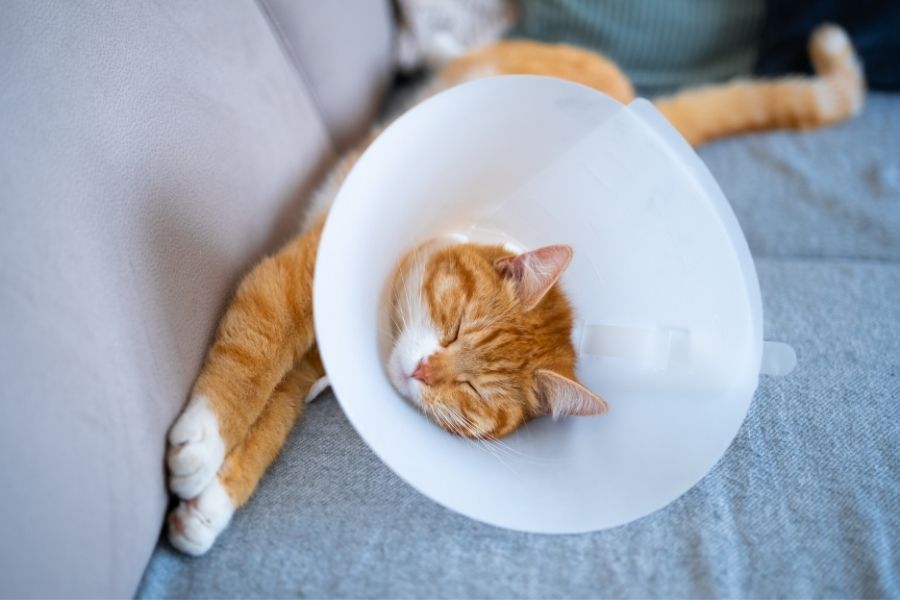
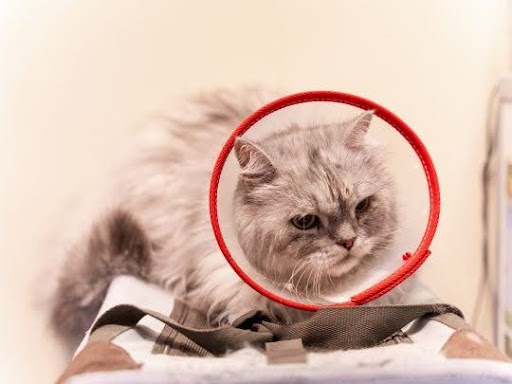
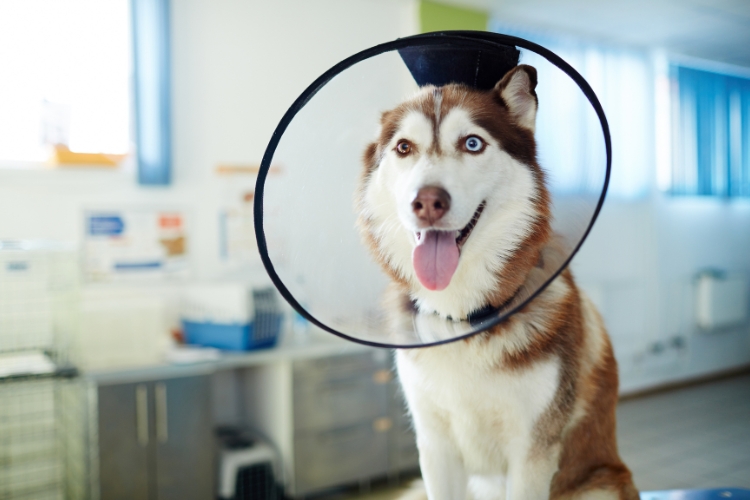
In some cases, your dog may need to wear an e-collar (cone) to prevent licking or biting the incision. While it may seem uncomfortable, it is essential for proper healing.
Nutrition and Hydration After Surgery
Proper nutrition plays a key role in recovery. After surgery, your dog’s appetite may be reduced. However, offering small, easily digestible meals can help.
Ensure your dog has access to fresh water at all times. Hydration supports healing and overall health.
If your dog refuses to eat or drink for an extended period, consult your veterinarian.
Common Mistakes to Avoid
While preparing your dog for surgery, avoiding common mistakes is just as important as following instructions.
- Skipping fasting guidelines
- Ignoring medication instructions
- Allowing too much activity after surgery
- Failing to monitor the incision site
By avoiding these mistakes, you can help ensure a safer procedure and a smoother recovery.
The Role of Professional Veterinary Care
Choosing the right veterinary team is crucial for your dog’s safety and comfort. Experienced professionals use advanced techniques and provide personalized care tailored to your dog’s needs.
At 30th Street Animal Hospital, the focus is on compassionate and comprehensive care. From pre-surgical evaluations to post-operative support, the team is dedicated to ensuring the best possible outcomes for your pet.
The Value of Proper Preparation for Dog Surgery
Taking the time to prepare your dog properly can significantly improve the success of the procedure. It reduces risks, supports healing, and helps your dog return to normal life more quickly.
Dog surgery can be a stressful experience, but with the right preparation and care, you can make the process smoother and less overwhelming.
Preparing your dog for surgery requires careful planning, attention to detail, and close communication with your veterinarian. By following the right steps, you can help ensure a safe procedure and a comfortable recovery for your pet.
If you’re in Indianapolis and looking for dog surgical care near you, schedule an appointment with 30th Street Animal Hospital. Our veterinary team is committed to providing expert care, advanced treatment options, and compassionate support every step of the way.
FAQs
1. How long should my dog fast before surgery?
Most dogs need to fast for 8–12 hours before surgery, but always follow your veterinarian’s specific instructions.
2. Can my dog drink water before surgery?
In many cases, small amounts of water are allowed. However, confirm this with your veterinarian.
3. How can I keep my dog calm before surgery?
Maintain a normal routine, provide comfort, and avoid stressful situations to help your dog stay relaxed.
4. What should I do after my dog comes home from surgery?
Provide a quiet space, monitor the incision, administer medications, and limit activity as advised.
5. How long does recovery take?
Recovery time varies depending on the procedure, but most dogs start feeling better within a few days to a couple of weeks.
6. When should I contact the veterinarian after surgery?
Contact your veterinarian if you notice swelling, discharge, loss of appetite, or unusual behavior.