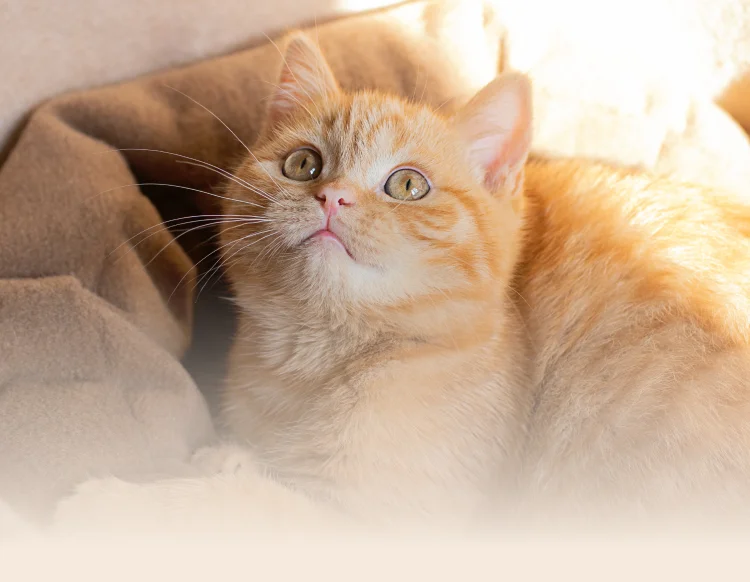
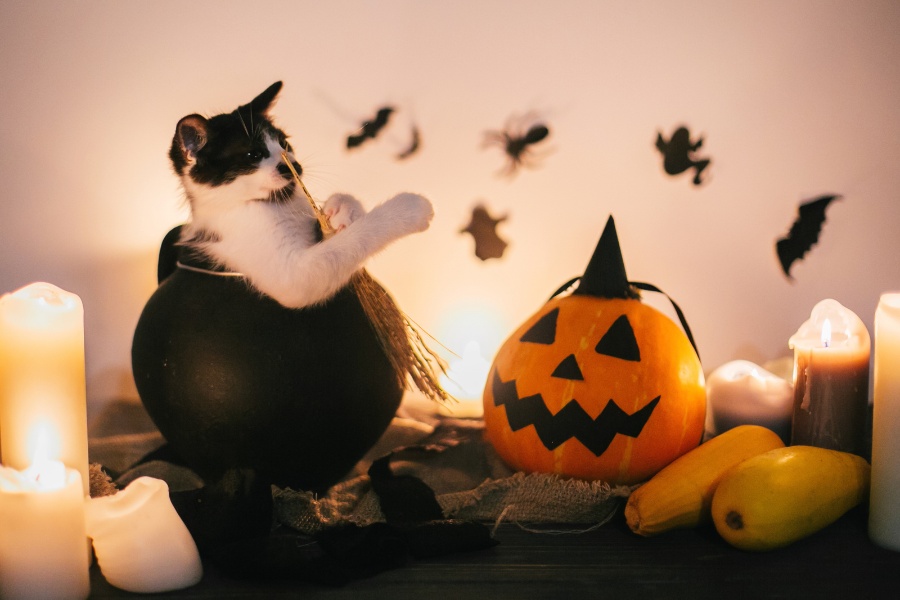
Halloween is a wonderful time to celebrate your cat’s unique personality with a creative name, festive photographs, or a simple seasonal accessory. From spooky names inspired by witches and mythical creatures to pumpkin-themed collars, there are many ways to include your feline companion in the fun. However, cats have individual preferences, and not every pet enjoys wearing clothing or being part of a busy celebration.
If you are searching for a veterinarian near me in Indianapolis, understanding feline behavior and comfort can help you make informed decisions about Halloween activities. A cat that dislikes restrictive clothing, unfamiliar objects, or sudden changes in its environment may experience stress when owners introduce costumes without preparation.
The goal is to celebrate your cat without compromising its comfort. With thoughtful name choices, safe accessories, and attention to body language, you can create memorable Halloween moments while respecting your cat’s natural instincts.
Creative Halloween-Themed Names for Your Cat
Choosing a Halloween-inspired name can be a fun way to reflect your cat’s appearance, personality, or playful habits. You do not need to dress your cat in a full costume to make the season special. Sometimes, a fitting name and a few photographs are all the celebration your pet needs.
Spooky Names Inspired by Halloween
If your cat has a mysterious personality or enjoys exploring dark corners, consider names inspired by classic Halloween imagery.
- Salem: A familiar choice for a mysterious black cat.
- Shadow: Suitable for a quiet cat that follows you around.
- Phantom: A playful name for a cat that appears and disappears unexpectedly.
- Raven: Inspired by the dark bird often associated with spooky stories.
- Midnight: A fitting option for a cat with a dark coat or nighttime habits.
- Jinx: A fun name for a mischievous feline.
- Hocus: A magical name inspired by Halloween spells.
- Boo: A short, friendly name with a festive feel.
Choose a name that is easy to say and distinct from commands or other pets’ names. Consistent use can help your cat become familiar with it over time.
Cute Pumpkin and Candy-Inspired Names
For a sweeter Halloween theme, consider names based on seasonal treats and autumn decorations.
- Pumpkin: A cheerful option for an orange or round-faced cat.
- Candy: A simple, playful name.
- Cocoa: A cozy choice for a brown-coated feline.
- Maple: Inspired by colorful autumn leaves.
- Toffee: Suitable for a cat with a warm caramel-colored coat.
- Peaches: A soft name for a gentle companion.
- Cinnamon: A seasonal choice for a cat with reddish or brown tones.
- Muffin: A cute name for a cuddly cat.
Remember that your cat does not need a seasonal name to participate in Halloween. Choose something that suits your companion and feels comfortable for your household to use year-round.
Names Inspired by Witches and Fantasy
Cats often appear in folklore, fantasy stories, and Halloween decorations. These associations can inspire distinctive names.
Consider Luna for a moon-inspired theme, Merlin for a magical personality, Binx for a playful feline, or Magic for a cat that always seems to surprise you. Other options include Willow, Ember, Mystic, and Pixie.
When choosing a name, think about your cat’s temperament rather than appearance alone. A quiet cat might suit a gentle name, while an energetic companion may inspire something more playful.
Do Cats Actually Enjoy Wearing Halloween Costumes?
Some cats tolerate lightweight accessories for short periods, but many dislike the sensation of clothing. Cats rely on flexible movement, balance, and sensitive whiskers to explore their surroundings. Clothing that restricts their body or changes how they move may cause discomfort.
A full costume can also interfere with normal grooming, climbing, jumping, or using the litter box. Tight fabric around the neck, chest, or legs may limit movement, while dangling decorations can catch on furniture or become tempting objects to chew.
Watch your cat’s reaction rather than assuming that a costume is enjoyable because it looks adorable. If your feline companion freezes, crouches unusually low, walks awkwardly, hides, or repeatedly tries to remove an accessory, take it off.
Never force a cat to remain in a costume for photographs or social media content. A comfortable cat without a costume is preferable to a stressed cat wearing an elaborate outfit.
How to Choose Safe Halloween Accessories for Cats
If your cat tolerates accessories, choose options that prioritize comfort and unrestricted movement.
Choose Lightweight Materials
Avoid thick fabrics, heavy padding, and full-body outfits that can trap warmth or restrict movement. A simple festive bandana designed specifically for cats may be more suitable than a complicated costume, provided your cat accepts it comfortably.
Check the material for loose threads, rough seams, and small decorative pieces that could be chewed or swallowed.
Keep the Face and Whiskers Clear
Never cover your cat’s eyes, nose, or mouth. Avoid masks, tight hoods, and accessories that press against the whiskers. Cats use their whiskers to gather information about nearby objects, so unnecessary interference can make them uncomfortable.
Avoid Tight or Dangling Pieces
Costumes should not restrict the neck, chest, abdomen, or legs. Long ribbons, loose strings, bells, and detachable decorations can create entanglement or ingestion hazards.
If you use a collar, choose one designed for feline safety with an appropriate breakaway feature. Check its fit regularly and remove it if your cat shows signs of discomfort.
Introduce Accessories Gradually
Let your cat inspect a new accessory before attempting to put it on. Allow the cat to approach voluntarily, and reward calm behavior with praise or a familiar treat if appropriate.
Start with a brief introduction rather than a lengthy costume session. If your cat resists, stop and try a non-wearable alternative instead.
Recognizing Signs of Stress in Your Cat
Cats communicate discomfort through subtle changes in posture and behavior. Recognizing these signals can help you end an uncomfortable activity before stress increases.
Common signs of stress may include flattened ears, a tucked tail, dilated pupils, crouching, hiding, growling, hissing, swatting, or repeated attempts to escape. Some cats become unusually still when frightened, so a lack of movement does not necessarily mean that the animal is relaxed.
You may also notice excessive grooming, reduced interest in treats, or reluctance to interact. If your cat normally enjoys attention but suddenly avoids people while wearing a costume, remove the accessory and give it space.
Move your cat to a familiar, quiet room where it can rest without interruption. Provide access to fresh water, a litter box, and a comfortable hiding place.
If unusual behavior continues after the costume is removed, or if you notice breathing difficulty, weakness, or other concerning physical symptoms, contact your veterinarian for guidance. Do not assume every behavioral change is caused by stress alone.
Halloween Photo Ideas Without Uncomfortable Costumes
You can create festive photographs without putting your cat in clothing. In many cases, these alternatives are easier, safer, and less stressful.
Use a themed background. Place a small pumpkin or autumn-colored blanket behind your cat, keeping decorations out of reach. Let your cat decide whether to approach the setup.
Try seasonal props nearby. Position a cat-safe prop beside your pet instead of attaching it to the body. Avoid candles, breakable decorations, small loose objects, and anything your cat may chew.
Choose natural lighting. Photograph your cat near a window in a familiar room. Avoid startling your pet with sudden flashes, loud noises, or repeated attempts to get the perfect pose.
Capture everyday behavior. A photograph of your cat relaxing on a blanket, watching falling leaves through a window, or playing with a familiar toy can be just as memorable as a costume portrait.
Keep sessions brief. Stop when your cat walks away, hides, or loses interest. Allowing your pet to choose whether to participate helps make the experience more positive.
Keeping Your Cat Safe During Halloween Celebrations
Halloween may bring extra visitors, open doors, unfamiliar noises, and tempting decorations into your home. These changes can create stress and increase the chance of a cat slipping outside or swallowing something unsafe.
Prepare a quiet room before guests arrive, especially if your cat is shy. Keep doors and windows secure, and ask visitors not to chase, pick up, or dress your pet without permission.
Keep candy, chocolate, sweets containing xylitol, and food scraps out of reach. Secure ribbons, string, fake cobwebs, and small decorations that could be swallowed. If your cat chews or ingests a potentially harmful item, contact a veterinary professional promptly.
Maintain familiar feeding and resting routines whenever possible. Cats often feel more secure when their daily schedule remains predictable, even during seasonal celebrations.
Make Your Cat’s Comfort a Halloween Priority
Halloween-themed names and festive photographs can help you celebrate your cat’s personality without requiring a costume. The most important part of the experience is recognizing your pet’s preferences and responding when it shows discomfort.
If you have questions about your cat’s behavior, suitable accessories, or signs of stress, contact 30th Street Animal Hospital in Indianapolis for guidance tailored to your pet. If you are looking for a veterinarian near me, the clinic can be a local resource for questions about feline health and general care.
Visit the 30th Street Animal Hospital website or contact the team to ask about appointment availability and scheduling. With a little creativity and plenty of respect for your cat’s boundaries, you can enjoy a memorable Halloween while keeping feline comfort first.
Frequently Asked Questions
Q1. Do cats need to wear costumes to celebrate Halloween?
Ans: No. Cats can participate through festive photographs, themed backgrounds, or seasonal toys. Choosing activities that do not require clothing can help avoid unnecessary discomfort and stress.
Q2. What are the signs that my cat dislikes a Halloween costume?
Ans: Flattened ears, a tucked tail, crouching, freezing, hiding, growling, and repeated attempts to remove the costume may indicate discomfort. Remove the accessory and let your cat relax in a familiar space.
Q3. Are bandanas safer than full costumes for cats?
Ans: A lightweight, properly fitted cat accessory may be less restrictive than a full costume, but individual cats respond differently. Never use an accessory that tightens, dangles, interferes with movement, or causes distress.
Q4. How can I take Halloween pictures of my cat without causing stress?
Ans: Use familiar surroundings, natural lighting, and decorations placed safely nearby. Keep sessions short, avoid forcing poses, and allow your cat to leave whenever it wants.
Q5. When should I contact a veterinarian about my cat’s behavior after wearing a costume?
Ans: Contact a veterinarian if unusual behavior persists after the costume is removed or if you notice concerning physical symptoms. Breathing difficulty, collapse, or severe weakness requires immediate veterinary attention.