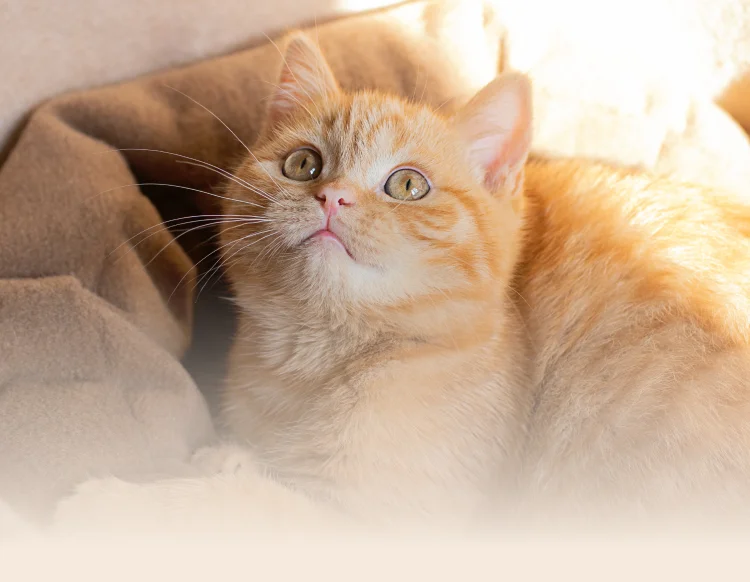
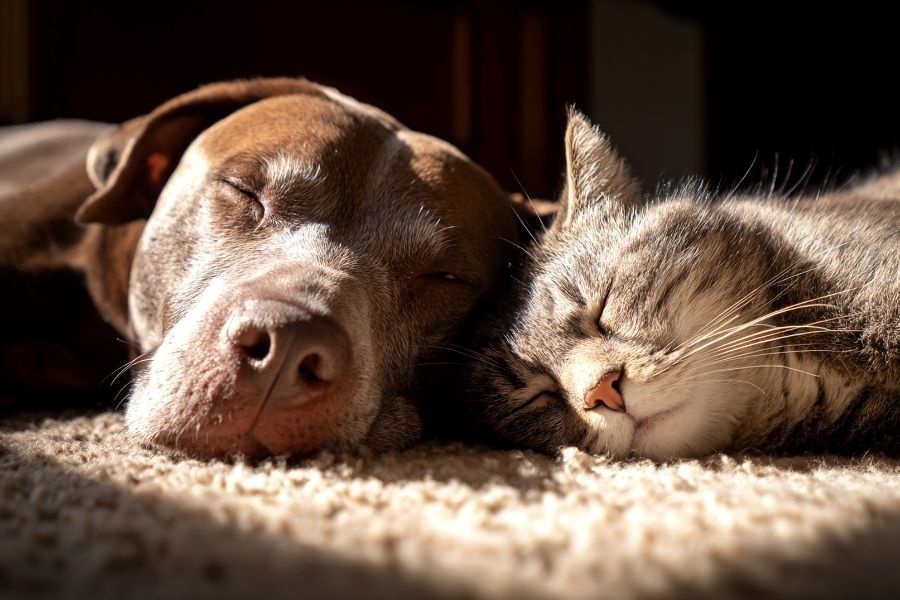
Your older dog used to take visitors in stride, but now he trembles at the doorbell. Your senior cat once ignored the vacuum, but now she disappears for hours. These changes are common, and they matter for senior pet care. For families in Indianapolis, understanding why aging pets cope differently with stress can help you keep your companion calm, safe, and comfortable.
Why Older Pets Struggle With Stress and Change
Pets rely on routine to feel secure. Predictable meals, walks, and quiet evenings tell them the world is safe. As they age, that predictability becomes even more valuable, because their bodies and minds have less capacity to adapt.
Several changes happen at once. Eyesight and hearing often fade, so sounds and movements seem to come out of nowhere. Sore joints make it harder to walk away from something upsetting. The body’s stress response also slows with age, so an older pet may take much longer to calm down after being startled.
Brain changes can add to the problem. Memory, learning, and awareness may decline gradually, which means a new schedule or a rearranged room can feel truly confusing. A pet who once adjusted in an afternoon may now need weeks.
None of this means your pet is being stubborn or dramatic. It usually means the world has become harder to process. When you see behavior through that lens, patience comes more naturally, and so do better solutions.
Signs Your Senior Pet May Be Overwhelmed
Stress in older pets is often subtle and easy to mistake for normal aging. Pay attention to how your pet eats, sleeps, moves, and interacts with you.
Dogs may pant when it isn’t hot, pace, tremble, whine, lick their lips, or follow you from room to room. Some start destroying items or soiling the house, even after years of good habits. Cats may hide more, groom less, stop using the litter box, eat poorly, or yowl at night. Others become unusually clingy.
Look for patterns instead of single moments. One rough evening after a storm is expected. New fears that continue, or restlessness that builds over weeks, deserve a closer look.
Remember, too, that stress and illness can look identical. Pain, thyroid disease, kidney problems, vision loss, and cognitive changes can all cause anxious behavior. Treat sudden personality shifts as a possible medical clue rather than a behavior problem.
What Stress Means for Aging Dogs and Cats Health
Stress isn’t only an emotional issue. It can affect the body in real ways, which is why behavior is closely tied to aging dogs and cats health. Anxious pets may eat less, sleep poorly, or develop an upset stomach. In cats, stress is a recognized factor in urinary problems and can lead to skipped meals that put the liver at risk.
Ongoing stress can also make existing conditions harder to manage. Pets with heart disease, high blood pressure, or arthritis may feel worse when they are tense, and tense muscles can increase discomfort. Poor sleep affects mood, appetite, and even how a pet handles pain.
The relationship works both ways. A pet in pain or feeling unwell often has less patience for noise and change. That’s why a pet who suddenly “can’t handle” things they once tolerated may be telling you something physical is wrong.
Because the causes overlap, a veterinary exam is the best first step. Your veterinarian can look for hidden conditions and help you decide whether the answer is a home adjustment, treatment for an underlying problem, or both.
Common Triggers for Older Pets
Events that seem minor to us can feel overwhelming to a senior pet. Frequent culprits include:
- Moving, renovations, or new furniture
- Houseguests, a new baby, or a new pet
- Changes in your work schedule or family routine
- Boarding, travel, or long car rides
- Thunderstorms, fireworks, and loud celebrations
- Changes in food, feeding times, or bowl location
Weather and seasons play a role. Summer storms and holiday fireworks around Indianapolis can be especially distressing for pets with fading hearing or heightened anxiety. Planning ahead, such as setting up a quiet room before a predicted storm, can spare your pet a lot of worry.
Veterinary visits can be stressful as well. Strange smells, unfamiliar people, and slick floors may feel overwhelming to an older pet. Bringing a favorite blanket, using a non-slip mat, and scheduling visits at quieter times can help.
Whenever a change is coming, ask yourself what your pet will see, hear, and smell, and whether they’ll have a safe place to retreat. A little preparation often prevents a lot of distress.
Senior Pet Care Strategies for a Calmer Home
You can’t remove every source of stress, but you can make your home feel more secure. Consistency is the most powerful tool. Keep feeding times, walks, play, and bedtime steady, and introduce changes gradually rather than all at once.
Create a safe retreat where your pet can rest undisturbed. A quiet room with a soft bed, fresh water, and familiar toys works well. For cats, add hiding spots and easy-to-reach perches. For dogs, a cozy bed away from noise can be a refuge during storms or visitors.
Other helpful ideas include:
- Night lights and non-slip rugs for pets with weaker eyesight or joints
- White noise or calming music during loud events
- Pheromone diffusers, which some pets find soothing
- Short walks, gentle play, and puzzle feeders for healthy mental outlets
- Treats and quiet praise to reward calm behavior
Introduce new people, pets, or objects slowly and let your pet approach at their own pace. Never punish a frightened pet, because fear-based behavior is not misbehavior, and scolding often makes it worse.
If home changes aren’t enough, or if the behavior is getting worse, talk with your veterinarian. They may recommend bloodwork, a urinalysis, or a blood pressure check, and can discuss behavior plans, supplements, or medication when appropriate. Most veterinarians suggest senior wellness exams about every six months, which gives you regular opportunities to bring up changes early.
Conclusion: Patience, Predictability, and Partnership
Aging doesn’t have to mean constant worry. When you understand why older pets handle change differently, watch for early signs, and keep routines steady, you help your companion feel secure. Thoughtful senior pet care combines a calm environment with regular veterinary support, and it protects aging dogs and cats’ health in ways that go beyond the exam room.
If you’re concerned about how your older pet is coping, the team at 30th Street Animal Hospital in Indianapolis is here to help. We can check for hidden medical causes and work with you on a plan that keeps your pet relaxed and comfortable. You know your pet best, so trust your instincts and ask questions.
At 30th Street Animal Hospital in Indianapolis, we are committed to helping senior pets feel calm, comfortable, and cared for. Schedule your pet’s visit today and give your pet the care they deserve.
Frequently Asked Questions
Q1. Why is my older dog suddenly afraid of storms or fireworks?
Ans: New noise fears are common in senior dogs and may be linked to hearing changes, pain, or cognitive changes. A veterinary exam can rule out medical causes, and your veterinarian can suggest ways to help your dog feel safer.
Q2. Can stress make my senior cat sick?
Ans: Yes, it can. Stress may reduce appetite, cause stomach upset, and contribute to urinary problems in cats. If your cat stops eating or seems unwell after a change, contact your veterinarian promptly.
Q3. Are calming products safe for older pets?
Ans: Many options, such as pheromone products and white noise, are generally gentle, but not every product suits every pet. Check with your veterinarian before using supplements or medications, especially if your pet has health conditions.
Q4. How can I help my senior pet adjust to a move?
Ans: Keep daily routines as steady as possible and set up a familiar space with their bed, bowls, and toys right away. Let your pet explore the new home gradually, and give them extra patience while they settle in.
Q5. Where can I find senior pet care in Indianapolis?
Ans: Look for a local animal hospital that offers senior wellness exams, diagnostic testing, and guidance on behavior changes. Ask how often your pet should be rechecked and how the team supports you between visits.