

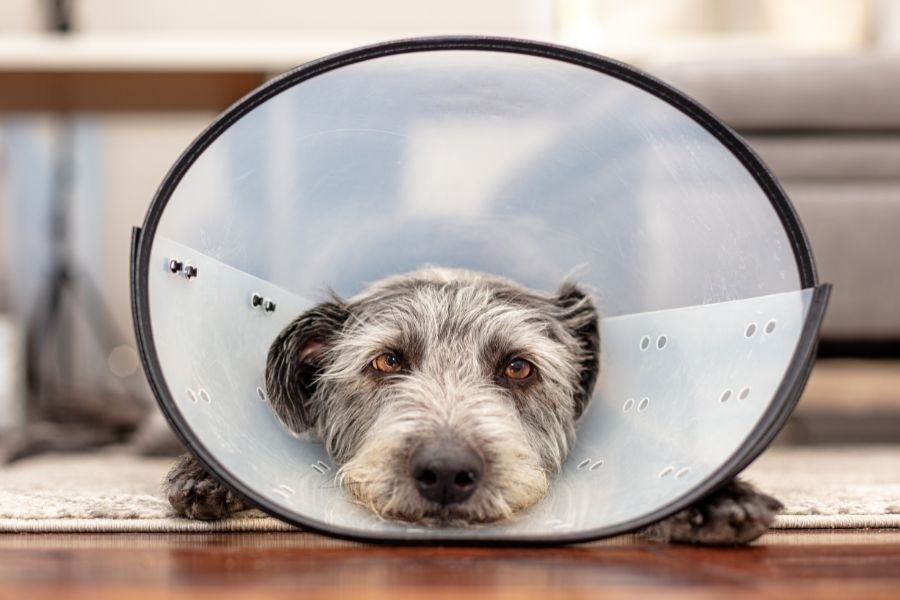
Discovering an unusual mass on your senior dog’s spleen can be frightening. Perhaps your veterinarian noticed an abnormality during an ultrasound, abdominal examination, or diagnostic testing. Naturally, questions follow: Is the mass cancerous? Does it need to be removed? What happens if it ruptures? These concerns are understandable, especially when your dog still seems comfortable and behaves normally at home.
Splenic masses in older dogs can have different causes. Some are benign growths, such as hematomas, while others may be malignant tumors, including hemangiosarcoma. Unfortunately, imaging alone cannot always determine which type of mass is present. In certain cases, surgical removal of the spleen, known as a splenectomy, allows veterinarians to obtain a tissue sample for a more definitive diagnosis while addressing the risk of internal bleeding.
At 30th Street Animal Hospital in Indianapolis, understanding the reason behind a recommended procedure is an important part of informed pet surgery decisions. Learning about the spleen, possible mass types, surgical preparation, and recovery can help you feel more prepared to discuss your dog’s care.
Understanding the Spleen and Its Role in Your Dog’s Body
The spleen is an organ located in the upper abdomen, close to the stomach. Although dogs can live without it, the spleen performs several important functions related to blood health and immune activity.
Its responsibilities include:
- Filtering blood and removing aging or damaged red blood cells.
- Storing a supply of blood that can be released when needed.
- Supporting immune function by helping identify and respond to certain infections.
- Participating in the removal of abnormal blood cells and other material from circulation.
Because the spleen contains a rich network of blood vessels, masses that develop within it can sometimes bleed. A small growth may remain unnoticed for some time, while a larger or fragile mass may rupture and cause blood to accumulate inside the abdomen.
This is one reason veterinarians take splenic abnormalities seriously, even when a dog does not appear unwell.
Why Do Splenic Masses Develop in Senior Dogs?
Splenic masses are more frequently identified in older dogs, although they can occur in animals of different ages. Some develop from blood-filled spaces or tissue changes, while others arise from abnormal cell growth.
Two important possibilities are benign hematomas and malignant vascular tumors.
Benign hematomas: A splenic hematoma is a collection of blood within the spleen. It can develop when blood vessels rupture or when blood accumulates within the tissue. Although a hematoma is not cancerous, it may become large and can still rupture, causing internal bleeding.
Hemangiosarcoma: Hemangiosarcoma is an aggressive cancer that develops from cells associated with blood vessel walls. In dogs, it commonly affects the spleen and can spread to other organs, including the liver and lungs. Because the tumor contains fragile blood vessels, it may rupture and cause significant internal bleeding.
Other types of benign and malignant growths can also occur in the spleen. Therefore, discovering a mass does not automatically mean that a dog has cancer. Further evaluation is needed to understand the nature of the abnormality.
Why Imaging Cannot Always Identify the Type of Mass
Abdominal ultrasound and other imaging methods help veterinarians examine the spleen, measure a mass, and look for additional abnormalities. These tests provide valuable information about its location, size, appearance, and possible effects on surrounding organs.
However, benign and malignant splenic masses can have similar appearances on imaging. A hematoma may resemble a tumor, while a malignant growth may not have features that clearly distinguish it from a benign lesion.
Additional diagnostic testing may include:
- Complete blood count: Evaluates red blood cells, white blood cells, and platelets.
- Blood chemistry testing: Provides information about organ function and overall health.
- Abdominal ultrasound: Examines the spleen, liver, and other abdominal structures.
- Chest imaging: May be recommended to look for possible signs of disease spread.
- Additional cardiovascular evaluation: Helps assess whether the dog is ready for anesthesia and surgery.
These findings help the veterinary team assess surgical risks and plan appropriate care. However, examination of the removed tissue by a veterinary pathologist is generally needed to identify the mass more definitively.
What Is a Splenectomy and Why Is It Recommended?
A splenectomy is a surgical procedure in which the spleen is removed. Veterinarians may recommend it when a splenic mass has a concerning appearance, is growing, or presents a risk of rupture and internal bleeding.
Removing the affected organ can address the immediate risk associated with a bleeding splenic mass. It also allows the veterinary team to submit the tissue for histopathology, which involves examining the cells under a microscope.
The results can help determine whether the mass is benign or malignant and, if cancer is identified, provide important information about its characteristics. Further staging may be recommended to evaluate whether the disease has spread.
It is important to understand that splenectomy does not guarantee a cure. If the mass is hemangiosarcoma, microscopic cancer cells may already have spread before surgery. Your veterinarian can discuss what the findings mean and whether additional oncology consultation or treatment should be considered.
Preparing Your Dog for Splenic Mass Surgery
Pre-operative preparation is especially important for dogs with splenic masses because some may have experienced blood loss without obvious external signs. The veterinary team evaluates the dog’s stability before determining the safest approach to anesthesia and surgery.
Depending on your dog’s condition, preparation may involve:
Bloodwork and health assessment: A complete blood count and blood chemistry profile help evaluate anemia, platelet levels, and organ function.
Blood typing and crossmatching: Blood typing identifies your dog’s blood group. Crossmatching checks compatibility between donor blood and the recipient. These steps may be important when blood loss is suspected or a transfusion could be needed.
Stabilization: Dogs with internal bleeding may require intravenous fluids, oxygen support, or blood products, depending on their condition. The priority is to support circulation and prepare the patient for anesthesia.
Anesthesia planning: The veterinary team reviews your dog’s medical history, test results, and cardiovascular status to develop an appropriate monitoring plan.
Surgical preparation: Your veterinarian will explain fasting instructions, medication adjustments, admission arrangements, and any additional steps needed before the procedure.
Each dog requires an individualized plan. A senior pet’s age alone does not determine whether surgery is appropriate. Overall health, the extent of the mass, and the dog’s stability are important considerations.
What Happens During and After a Splenectomy?
During surgery, the veterinarian accesses the abdominal cavity and carefully removes the spleen while controlling the associated blood vessels. The surgical team monitors the patient’s vital signs and manages blood loss throughout the procedure.
After surgery, the dog is moved to a recovery area for close observation. Monitoring may include heart rate, breathing, blood pressure, temperature, gum color, and signs of discomfort or bleeding.
Recovery time varies depending on the dog’s health before surgery, the complexity of the procedure, and whether complications occurred.
At home, owners should generally expect to:
- Keep their dog calm and restrict running, jumping, and rough play as instructed.
- Prevent licking or chewing at the incision with an appropriate protective device.
- Give prescribed medications according to the veterinary team’s directions.
- Check the incision regularly for increasing redness, swelling, discharge, or opening.
- Attend recommended follow-up appointments.
- Follow feeding and activity instructions during the healing period.
Contact the veterinary team promptly if your dog develops pale gums, weakness, collapse, difficulty breathing, repeated vomiting, abdominal swelling, or significant changes in behavior. These signs require immediate veterinary assessment.
Understanding Biopsy Results and Long-Term Outlook
Once the spleen has been removed, the tissue is typically submitted for histopathology. The report helps distinguish benign conditions, such as hematomas, from malignant tumors.
If the result identifies a benign mass, surgery may have addressed the primary concern, although follow-up care remains important. If hemangiosarcoma is diagnosed, the veterinarian may recommend additional staging and discuss oncology options.
The long-term outlook depends on the tumor type, whether it has spread, the dog’s overall health, and the treatment approach. Some dogs recover well after splenectomy, while others require more extensive care.
Dogs can live without a spleen, but continued veterinary monitoring is still important. Follow-up appointments help assess healing, review laboratory findings, and address any changes in health.
Schedule a Surgical Consultation at 30th Street Animal Hospital
A splenic mass can be concerning, but understanding the available diagnostic and surgical options helps you make informed decisions about your dog’s health. Whether imaging has revealed an abdominal mass or your veterinarian has recommended further evaluation, timely discussion can clarify the next steps.
Schedule a surgical consultation at 30th Street Animal Hospital in Indianapolis to discuss your dog’s condition, diagnostic findings, and potential treatment options. Our veterinary team can help you understand the considerations involved in pet surgical care and prepare for the decisions ahead.
Frequently Asked Questions
Q1. Does every splenic mass in a senior dog mean cancer?
Ans: No. Splenic masses can be benign or malignant. Hematomas are examples of benign growths, while hemangiosarcoma is a malignant tumor. Histopathology of removed tissue is generally needed for a definitive diagnosis.
Q2. Can a dog live a normal life without its spleen?
Ans: Yes. Dogs can live without a spleen because other organs take over many of its functions. However, the dog’s recovery, underlying condition, and long-term health should be monitored by a veterinarian.
Q3. Why is splenectomy recommended if the mass might be benign?
Ans: Even benign splenic masses can rupture and cause internal bleeding. Removing the spleen may address this risk while allowing the tissue to be examined for an accurate diagnosis.
Q4. Will my dog need a blood transfusion during splenic mass surgery?
Ans: Not every dog needs a transfusion. The decision depends on blood loss, anemia, overall stability, and surgical findings. Blood typing and crossmatching may help the veterinary team prepare if transfusion support is needed.
Q5. How long does recovery take after a splenectomy?
Ans: Recovery varies depending on the dog’s health and whether complications occur. Activity restriction and incision care are generally necessary during healing, with follow-up visits to monitor progress. Your veterinarian will provide an individualized recovery timeline.