Limited-Time September Special: Save $150 on Pet Dental Cleaning + $50 Off Pre-Op Diagnostics


Laser Therapy for Pets: A Safe, Non-Invasive, and Effective Healing Solution
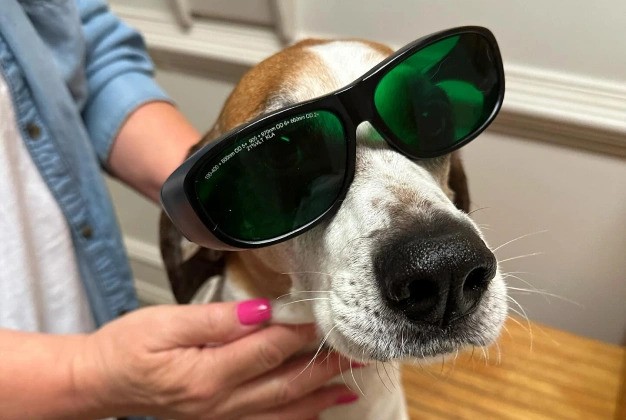
Caring for your pet means finding treatments that are both effective and gentle. When pets experience pain, injury, or chronic conditions, many owners look for solutions that do not rely heavily on medications or invasive procedures. That is where laser therapy for pets offers a modern and supportive approach to healing.
This blog is especially helpful for pet owners who want to understand advanced treatment options that improve comfort and recovery. With growing awareness about non-invasive care, more families are exploring therapies that promote healing without added stress. For pet owners in Indianapolis, IN, understanding this option can help you make informed decisions about your pet’s well-being.
What Is Laser Therapy and How Does It Work?
Laser therapy is a non-invasive treatment that uses light energy to stimulate healing at the cellular level. It works by delivering specific wavelengths of light to affected areas of the body. As a result, this light penetrates tissues and encourages cells to repair and regenerate faster.
Moreover, the process increases blood circulation, reduces inflammation, and helps relieve pain. Unlike surgical treatments, laser therapy does not require incisions or long recovery periods. Instead, it supports the body’s natural healing process in a safe and controlled way.
Because of these benefits, veterinarians often recommend it as part of a comprehensive treatment plan.
Conditions That Can Benefit from Laser Therapy
Laser therapy is versatile and can help treat a wide range of conditions in pets. Whether your pet is dealing with a sudden injury or a long-term issue, this therapy can provide noticeable relief.
Some common conditions include:
- Arthritis and joint pain
- Soft tissue injuries, such as sprains or strains
- Post-surgical healing and recovery
- Skin wounds and infections
- Hip dysplasia and mobility issues
- Inflammation-related conditions
In addition, pets recovering from surgery often heal faster when laser therapy is included in their care plan. It reduces swelling and helps tissues repair more efficiently.
Why Pet Owners Choose Non-Invasive Treatments
Many pet owners prefer treatments that minimize discomfort and risk. Laser therapy stands out because it does not involve needles, sedation, or surgical procedures. Instead, it offers a calm and stress-free experience for pets.
Furthermore, sessions are usually quick and painless. Most pets remain relaxed during the treatment, and some even become more comfortable as the session progresses. Because of this, it is especially useful for pets that feel anxious in clinical settings.
Choosing non-invasive care allows you to support your pet’s health without adding unnecessary stress.
Key Benefits of Laser Therapy for Pets
Laser therapy offers several advantages that make it a valuable addition to modern veterinary care.
1. Pain Relief Without Medication
First, it helps reduce pain by stimulating the release of natural endorphins. This reduces the need for long-term medication in some cases.
2. Faster Healing
Next, it accelerates tissue repair. Injuries and wounds often heal more quickly when treated with laser therapy.
3. Reduced Inflammation
Additionally, the therapy decreases swelling and inflammation, which is especially helpful for chronic conditions like arthritis.
4. Improved Mobility
Pets experiencing stiffness or joint discomfort often regain better movement and flexibility after treatment.
5. Safe and Gentle Approach
Finally, the procedure is safe when performed by trained professionals. It does not damage surrounding tissues and can be adjusted to suit each pet’s needs.
Because of these combined benefits, many veterinarians include laser therapy as part of a broader treatment plan.
What to Expect During a Session
Understanding what happens during a session can help you feel more confident about the process. Typically, the veterinarian will begin by examining your pet and identifying the areas that need treatment.
Then, a handheld laser device is applied directly to the affected area. The device emits light energy that penetrates the tissues. Sessions usually last between 5 to 20 minutes, depending on the condition being treated.
Most importantly, pets do not feel pain during the process. In fact, many experience a gentle warming sensation that can be soothing. After the session, your pet can return to normal activities without downtime.
How Many Sessions Does Your Pet Need?
The number of sessions depends on your pet’s condition, age, and overall health. Acute injuries may require only a few treatments, while chronic conditions often need ongoing sessions for the best results.
For example:
- Mild injuries may improve within 2–4 sessions
- Chronic pain conditions may require weekly or bi-weekly visits
- Post-surgical recovery plans may include multiple sessions over several weeks
Your veterinarian will create a customized plan to ensure your pet receives the right level of care.
Is Laser Therapy Safe for All Pets?
Safety is one of the main reasons pet owners choose this treatment. When performed by trained professionals, laser therapy is considered very safe for most pets.
However, there are a few considerations. For instance, it may not be recommended for pets with certain types of tumors or specific medical conditions. That is why a proper evaluation is always necessary before starting treatment.
Overall, the risk of side effects is minimal, making it a reliable option for many pets.
Supporting Your Pet’s Recovery at Home
While laser therapy plays a significant role in healing, home care is equally important. You can support your pet’s recovery by following simple steps.
- Provide a comfortable and quiet resting area
- Follow medication and care instructions carefully
- Limit excessive activity if advised
- Monitor progress and report any changes
- Maintain regular follow-up visits
By combining professional treatment with proper home care, you can help your pet recover more effectively.
Why Early Treatment Makes a Difference
Acting early can significantly improve outcomes. When conditions are addressed in the early stages, treatment tends to be more effective and requires fewer sessions.
For example, addressing joint stiffness early can slow down the progression of arthritis. Similarly, treating minor injuries promptly can prevent complications.
Therefore, paying attention to subtle changes in your pet’s behavior, mobility, or comfort level is essential. Early action often leads to better long-term results.
A Modern Approach to Pet Wellness
Veterinary care continues to evolve, and treatments like laser therapy for pets reflect that progress. Instead of focusing only on symptoms, this approach supports the body’s natural ability to heal.
Additionally, it complements other treatments such as medication, physical therapy, and proper nutrition. This holistic approach ensures that your pet receives well-rounded care tailored to their needs.
For pet owners in Indianapolis, exploring advanced care options can make a meaningful difference in your pet’s quality of life.
Laser therapy provides a safe, gentle, and effective way to manage pain and support healing. By reducing inflammation, improving circulation, and promoting tissue repair, it offers a valuable alternative to more invasive treatments.
If you’re in Indianapolis and looking for pet laser therapy near you, schedule an appointment with 30th Street Animal Hospital. Our veterinary team is here to guide you through every step and provide care that supports your pet’s comfort, recovery, and long-term health.
Frequently Asked Questions
1. What is laser therapy for pets used for?
Laser therapy is commonly used to relieve pain, reduce inflammation, and support healing in conditions like arthritis, injuries, and post-surgical recovery.
2. How long does it take to see results from laser therapy?
Some pets show improvement after one or two sessions, while others may need multiple treatments depending on the severity of their condition.
3. Is laser therapy safe for all pets?
Yes, it is generally safe when performed by a trained veterinarian, though a proper evaluation is needed to ensure it suits your pet’s condition.
4. How often will my pet need laser therapy sessions?
The frequency depends on the condition being treated. Acute issues may need a few sessions, while chronic conditions may require ongoing care.
5. Does laser therapy require anesthesia or sedation?
No, laser therapy is non-invasive and does not require anesthesia. Pets remain awake and comfortable during the procedure.
6. Can laser therapy be combined with other treatments?
Yes, it is often used alongside medications, physical therapy, or other treatments to improve overall results and recovery.