Limited-Time September Special: Save $150 on Pet Dental Cleaning + $50 Off Pre-Op Diagnostics


What Your Veterinarian Checks During an Annual Exam?
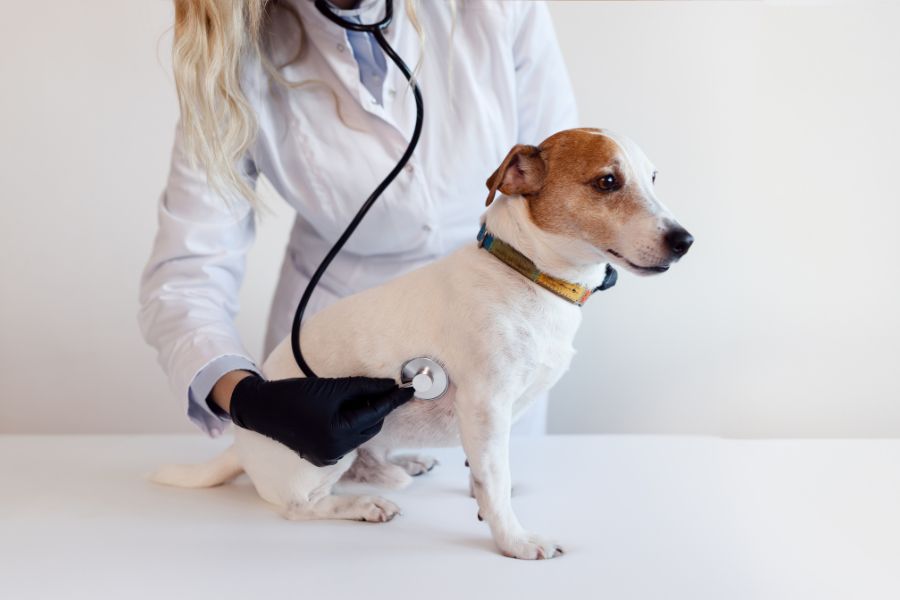
An annual vet exam is one of the most important steps you can take to protect your pet’s long term health. Even if your dog or cat seems perfectly fine, routine wellness visits help detect hidden issues before they become serious and expensive problems. In this guide, we’ll break down exactly what happens during a vet checkup, what your veterinarian looks for, and why yearly exams are critical for pets of all ages. If you’ve ever wondered what your vet is checking behind the scenes, this article will give you a clear and reassuring answer.
Why an Annual Vet Exam Is So Important
Pets age faster than humans. In just one year, your dog or cat can undergo significant physical changes. That’s why an annual vet exam is considered the foundation of preventive care.
Routine veterinary exams help:
- Detect diseases early
- Monitor weight and nutrition
- Update vaccinations
- Check for parasites
- Track changes in behavior or mobility
- Prevent dental disease
Early detection can dramatically improve outcomes for conditions like diabetes, kidney disease, arthritis, heart disease, and certain cancers.
What Happens During an Annual Vet Exam?
A typical vet checkup is thorough and systematic. Your veterinarian evaluates your pet from nose to tail, ensuring every major body system is functioning properly.
Here’s what you can expect.
Medical History and Lifestyle Discussion
Your annual vet exam starts with a conversation.
Your veterinarian will ask about:
- Changes in appetite or thirst
- Energy levels
- Bathroom habits
- Behavioral changes
- Diet and treats
- Exercise routine
- Travel or boarding exposure
This discussion is critical. Subtle changes at home can provide early clues to underlying health problems. If your pet is a senior, the vet may ask more detailed questions about mobility, cognitive changes, or sleeping patterns.
Weight and Body Condition Assessment
Maintaining a healthy weight is one of the biggest factors in your pet’s longevity.
During the vet checkup, your pet will be weighed and evaluated using a body condition score system. Your veterinarian checks:
- Rib coverage
- Waist definition
- Abdominal tuck
- Muscle tone
Obesity increases the risk of:
- Diabetes
- Arthritis
- Heart disease
- Shortened lifespan
If needed, your vet will recommend dietary adjustments or a weight management plan.
Nose to Tail Physical Examination
The core of the annual vet exam is a hands-on, full-body evaluation.
Eyes
Your veterinarian checks for:
- Redness or discharge
- Cloudiness
- Cataracts
- Vision changes
- Signs of glaucoma
Eye problems can progress quickly, especially in certain breeds.
Ears
Ear exams look for:
- Infection
- Inflammation
- Mites
- Odor or discharge
Chronic ear infections are common, especially in dogs with floppy ears.
Mouth and Teeth
Dental disease affects over 70 percent of adult dogs and cats.
Your vet checks for:
- Tartar buildup
- Gum inflammation
- Broken teeth
- Oral masses
- Bad breath
Untreated dental disease can lead to heart, liver, and kidney problems.
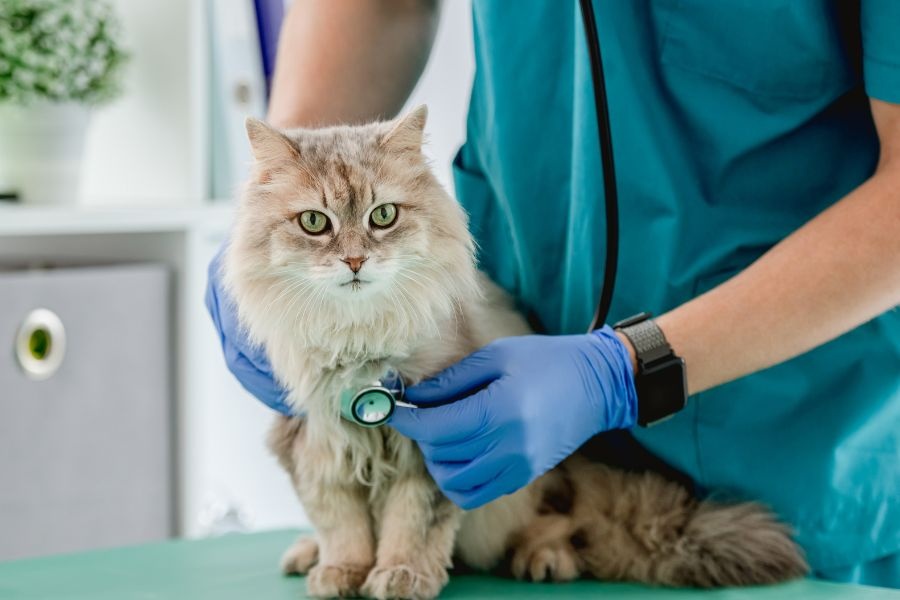
Heart and Lungs
Using a stethoscope, your veterinarian listens carefully to:
- Heart rhythm
- Heart murmurs
- Lung sounds
- Breathing patterns
Subtle murmurs or irregular rhythms are often first detected during a routine annual vet exam.
Skin and Coat
Healthy skin reflects overall health.
Your veterinarian checks for:
- Lumps or bumps
- Parasites such as fleas
- Allergies
- Hair loss
- Skin infections
Any new mass is measured and recorded so changes can be tracked over time.
Abdomen and Internal Organs
The vet gently palpates your pet’s abdomen to evaluate:
- Liver size
- Kidney size
- Bladder fullness
- Abdominal pain
- Masses
Early organ enlargement can sometimes be detected before symptoms appear.
Joints and Mobility
Especially important in senior pets, this part of the vet checkup evaluates:
- Range of motion
- Signs of arthritis
- Muscle loss
- Pain or stiffness
Early arthritis management can significantly improve quality of life.
Vaccination Review and Updates
Vaccines are reviewed during every annual vet exam.
Core vaccines may include:
- Rabies
- Distemper
- Parvovirus
- Feline panleukopenia
Non-core vaccines depend on lifestyle, such as boarding, dog parks, or outdoor exposure.
Your veterinarian customizes the vaccine schedule based on your pet’s risk factors.
Parasite Prevention Check
Parasite prevention is discussed at every visit.
Your vet may recommend:
- Heartworm testing
- Fecal exams
- Flea prevention
- Tick control
Even indoor pets are at risk for parasites. Prevention is far safer and less expensive than treatment.
Recommended Lab Testing
Many veterinarians recommend baseline bloodwork as part of an annual vet exam, especially for pets over seven years old.
Common tests include:
- Complete blood count
- Chemistry panel
- Thyroid testing
- Urinalysis
These tests can detect:
- Kidney disease
- Liver dysfunction
- Diabetes
- Hormonal imbalances
Annual lab work establishes a health baseline, making it easier to detect subtle changes in future visits.
Behavioral and Nutritional Counseling
Your vet checkup is also the perfect time to discuss:
- Anxiety
- Excessive barking or scratching
- Litter box problems
- Nutrition upgrades
- Supplement options
Preventive care is not just physical; it includes mental and emotional well-being.
Senior Pets Need Extra Attention
Pets age much faster than humans. A 10-year-old dog may be equivalent to a 60 to 70-year-old person.
Senior annual vet exams may include:
- More frequent blood testing
- Blood pressure monitoring
- X rays
- Cognitive assessments
Catching age-related issues early can add years to your pet’s life.
What You Can Do Before the Appointment
To make the most of your annual vet exam, come prepared:
- Bring a list of questions
- Note any behavior changes
- Bring a stool sample if requested
- Bring current medications or supplements
- Avoid feeding right before blood tests if instructed
Preparation helps your veterinarian give the best care possible.
An annual vet exam is far more than a routine appointment. It is a comprehensive health screening that evaluates your pet’s physical condition, detects early disease, updates preventive care, and supports long-term wellness. A consistent vet checkup schedule can significantly increase your pet’s lifespan and quality of life.
If your pet is due for a wellness visit, book an appointment with 30th Street Animal Hospital in Indianapolis, IN, today. Preventive care today means fewer emergencies tomorrow.
FAQs:
Q1: What does a veterinarian check during an annual exam?
Ans: During an annual vet exam, the veterinarian performs a full physical exam, checks weight, evaluates eyes, ears, teeth, heart, lungs, skin, abdomen, joints, updates vaccines, and may recommend lab tests.
Q2: How often should my pet have a vet checkup?
Ans: Most adult pets need a vet checkup once per year. Senior pets or pets with medical conditions may need exams every six months.
Q3: Is bloodwork necessary during an annual vet exam?
Ans: Bloodwork is not always mandatory, but is highly recommended, especially for pets over seven years old, to detect early organ dysfunction or disease.
Q4: How much does an annual vet exam cost?
Ans: Costs vary depending on location and services included, such as vaccines or lab tests. Basic exams typically range from 50 to 100 dollars, with additional services increasing the total.
Q5: Can an annual vet exam detect serious diseases early?
Ans: Yes, many serious conditions, such as kidney disease, heart murmurs, diabetes, and certain cancers, are first detected during a routine annual vet exam.