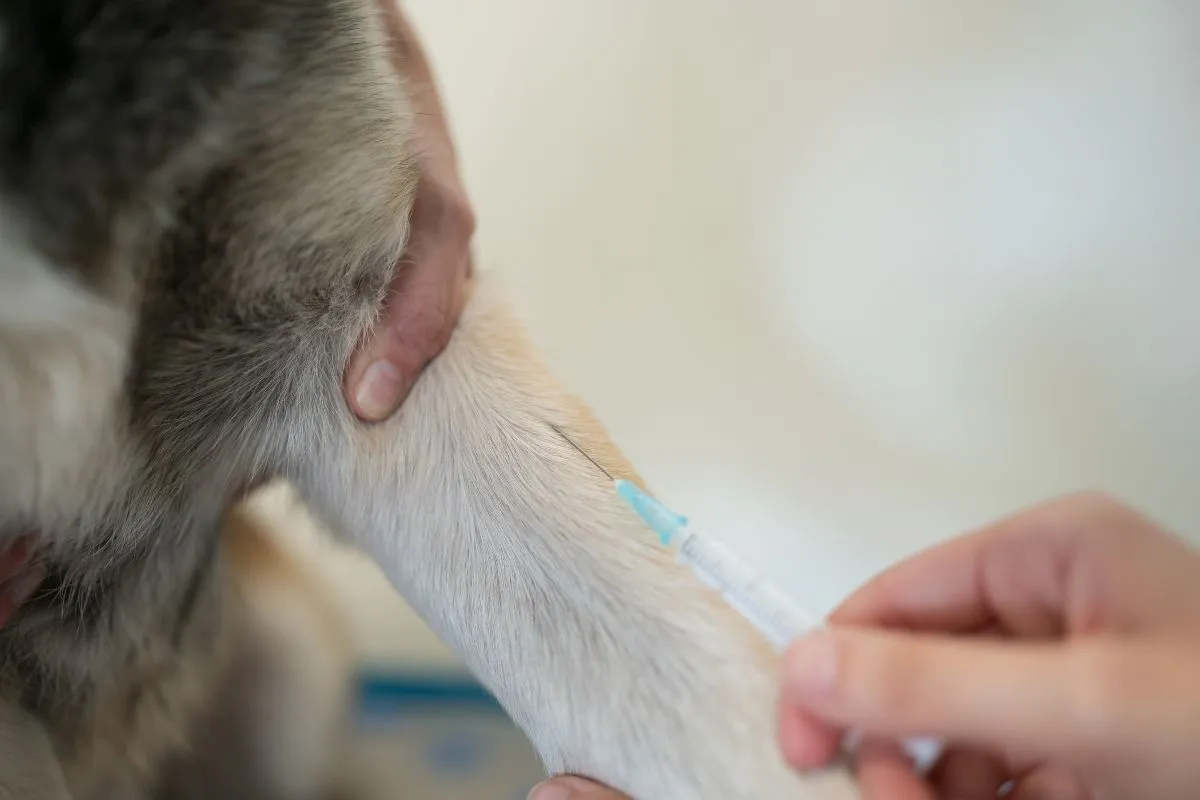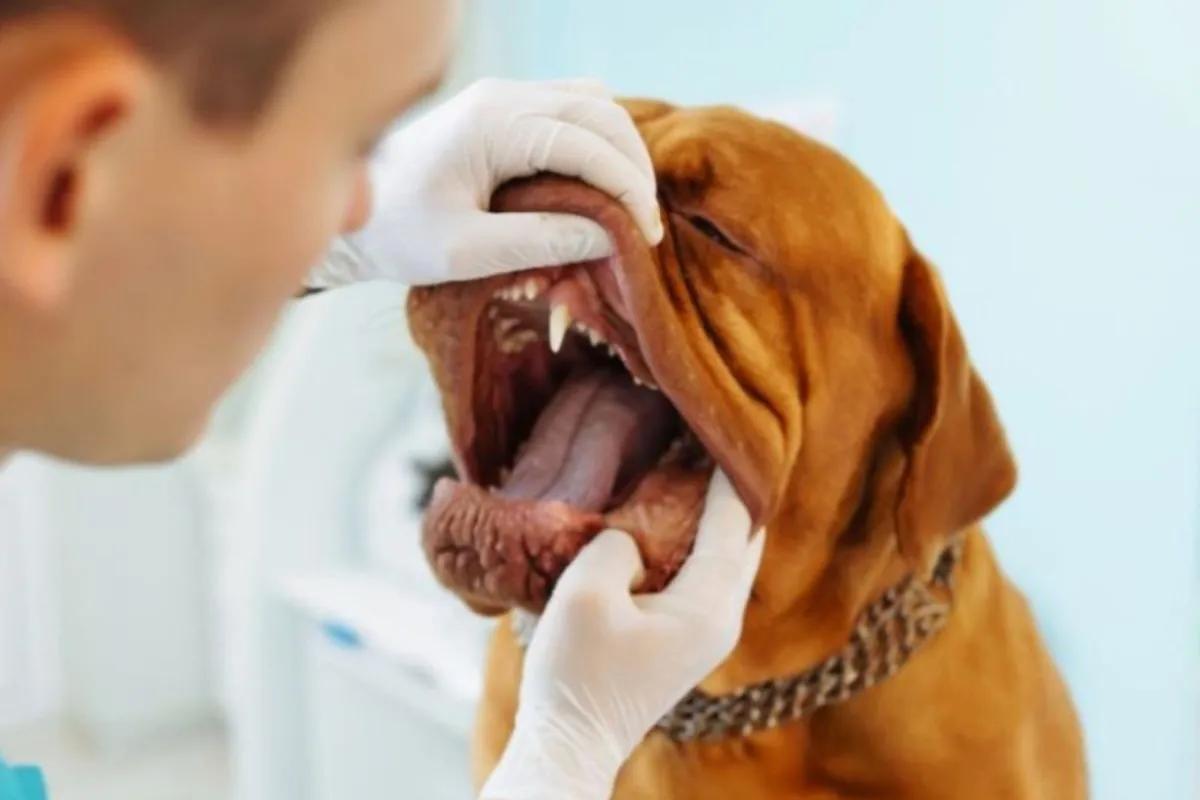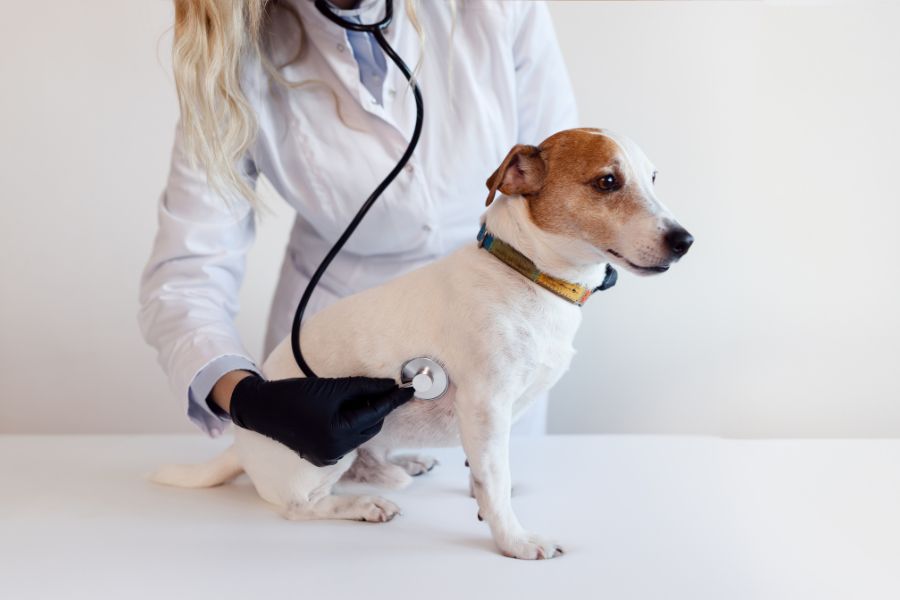

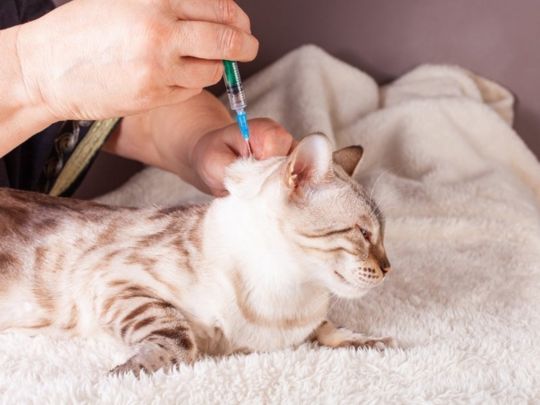
Pet vaccinations play a vital role in keeping your furry family members healthy and protected. If you’re a pet parent in Indianapolis, IN, understanding which vaccines your dog or cat needs and when can help prevent serious, costly diseases. In this guide, we’ll break down everything local pet owners should know about pet vaccinations, from core vaccines to scheduling and safety tips.
Why Pet Vaccinations Matter for Indianapolis Pets
Pet vaccinations are one of the most effective ways to prevent life-threatening diseases in dogs and cats. Vaccines work by stimulating your pet’s immune system to recognize and fight specific infections before they become dangerous.
In Indianapolis, pets are exposed to unique regional risks. With popular dog parks like Eagle Creek Park, neighborhood walking trails, boarding facilities, and pet-friendly events, diseases can spread quickly without proper protection.
Vaccinating your pet helps:
- Prevent serious illnesses like rabies and parvovirus
- Protect other pets in the community
- Reduce emergency vet visits and high treatment costs
- Comply with Indiana state rabies laws
Simply put, routine pet vaccinations protect not just your pet but the entire Indianapolis pet community.
Core vs. Non-Core Pet Vaccinations
Not all vaccines are the same. Veterinarians divide them into core and non-core categories.
Core Vaccines for Dogs
Core vaccines are recommended for all dogs, regardless of lifestyle.
- Rabies – Required by Indiana law
- Distemper (DHPP) – Protects against distemper, hepatitis, parvovirus, and parainfluenza
These vaccines guard against highly contagious and potentially fatal diseases.
Core Vaccines for Cats
- Rabies – Legally required
- FVRCP – Protects against feline viral rhinotracheitis, calicivirus, and panleukopenia
Even indoor cats in Indianapolis should receive these vaccines, as viruses can enter homes on shoes, clothing, or through open windows.
Non-Core Vaccines Based on Lifestyle
Some pet vaccinations are recommended based on your pet’s daily routine and exposure risk.
For Dogs
- Bordetella (Kennel Cough) – Recommended for boarding or dog park visits
- Leptospirosis – Common in areas with standing water or wildlife exposure
- Canine Influenza – Important in social dog environments
Leptospirosis, in particular, is relevant in Indiana due to wildlife and wet conditions during spring and summer.
For Cats
- FeLV (Feline Leukemia Virus) – Recommended for outdoor or multi-cat households
Your veterinarian will help determine which non-core vaccines are right for your pet’s lifestyle in Indianapolis.
Puppy and Kitten Vaccination Schedule
Young pets need a series of vaccinations because their immune systems are still developing.
Puppy Vaccination Timeline
- 6–8 weeks: First DHPP
- 10–12 weeks: DHPP booster
- 14–16 weeks: Final DHPP + Rabies
- Annual boosters thereafter
Kitten Vaccination Timeline
- 6–8 weeks: First FVRCP
- 10–12 weeks: FVRCP booster
- 14–16 weeks: Final FVRCP + Rabies
- Annual boosters
Following this schedule ensures your pet builds strong immunity early in life.
How Often Do Adult Pets Need Vaccinations?
Adult pets typically require:
- Annual wellness exams
- Booster vaccines every 1–3 years (depending on vaccine type)
Rabies boosters are legally required at intervals determined by Indiana regulations. Some vaccines may last three years, while others require annual updates.
Regular checkups allow your veterinarian to assess immunity levels and adjust your pet’s vaccination plan accordingly.
Are Pet Vaccinations Safe?
Pet vaccinations are extremely safe and thoroughly tested. Most pets experience no side effects beyond mild soreness or temporary fatigue.
Mild reactions may include:
- Slight swelling at the injection site
- Low-grade fever
- Decreased appetite for 24 hours
Severe reactions are rare but may include vomiting, facial swelling, or difficulty breathing. If you notice unusual symptoms, contact your veterinarian immediately.
The benefits of preventing life-threatening diseases far outweigh the minimal risks associated with routine pet vaccinations.
What Happens If You Skip Vaccinations?
Skipping pet vaccinations can leave your pet vulnerable to preventable diseases.
For example:
- Parvovirus can survive in the environment for months.
- Rabies is fatal and poses a public health risk.
- Distemper affects the nervous system and can cause permanent damage.
Treatment for these illnesses is often intensive and expensive, sometimes costing thousands of dollars. Prevention is significantly safer and more affordable.
Local Considerations for Indianapolis Pet Owners
Living in Indianapolis, IN, means your pet may encounter:
- Wildlife carriers of leptospirosis
- Community dog parks and grooming salons
- Boarding facilities requiring vaccine proof
- Seasonal disease spikes
Indiana law also requires rabies vaccination for dogs and cats over a certain age. Staying compliant protects you legally and keeps the community safe.
Veterinary clinics in the area follow American Animal Hospital Association (AAHA) and American Veterinary Medical Association (AVMA) guidelines to ensure pets receive up-to-date protection.
How to Prepare for Your Pet’s Vaccination Appointment
To make your visit stress-free:
- Bring previous vaccination records
- Keep pets calm before arrival
- Ask questions about lifestyle risks
- Monitor your pet for 24 hours afterward
A wellness exam is typically performed before administering vaccines to ensure your pet is healthy enough for immunization. At 30th Street Animal Hospital, we create personalized vaccination plans tailored to your pet’s age, breed, and lifestyle here in Indianapolis.
The Cost of Pet Vaccinations in Indianapolis
The cost of pet vaccinations varies depending on:
- Type of vaccine
- Number of vaccines needed
- Your pet’s age
- Whether a wellness exam is included
While there is an upfront cost, preventive care is far less expensive than emergency treatment for preventable diseases.
Many Indianapolis pet owners bundle vaccinations with annual wellness exams for convenience and savings.
Signs Your Pet May Need Updated Vaccines
Watch for these indicators:
- A boarding or grooming facility requires proof
- You’ve adopted a rescue with an unknown history
- It’s been over a year since the last exam
- Your pet’s lifestyle has changed
If you’re unsure, your veterinarian can review records and recommend next steps.
Understanding pet vaccinations is essential for every responsible pet owner in Indianapolis. Core and non-core vaccines protect against serious diseases, ensure legal compliance, and keep our local pet community safe. By staying on schedule and working with a trusted veterinarian, you give your dog or cat the best chance at a long, healthy life.
If your pet is due for vaccines or you have questions about creating a personalized vaccination plan, book an appointment with 30th Street Animal Hospital today. Our team is here to keep Indianapolis pets happy, healthy, and protected.
FAQs:
1. What vaccines are required for dogs in Indianapolis, IN?
Ans: Rabies vaccination is required by Indiana law. Core vaccines like DHPP are strongly recommended for all dogs.
2. How often do pets need vaccinations?
Ans: Most adult pets need booster shots every 1–3 years, depending on the vaccine and your veterinarian’s recommendation.
3. Are indoor cats required to get vaccinated?
Ans: Yes, even indoor cats should receive core vaccines like rabies and FVRCP to stay protected.
4. Can my puppy go to the dog park before finishing vaccinations?
Ans: No, puppies should complete their vaccine series before visiting dog parks to avoid exposure to contagious diseases.
5. What should I do if my pet has a reaction to a vaccine?
Ans: Mild reactions are common and temporary. However, contact your veterinarian immediately if you notice vomiting, facial swelling, or difficulty breathing.